This affectionate trip down memory lane by outgoing publisher Hisae Matsuda shares the backstory behind Parallax’s publications, celebrating the people who made the books possible and the team of practitioner-publishing professionals guiding the journey of tomorrow.
By Hisae Matsuda on
In 2026, Parallax Press, our community’s publishing company, reaches the grand age of forty. Since launching in 1986, a small group of book lovers have brought out four hundred titles on the art of mindful living and Engaged Buddhism.
This affectionate trip down memory lane by outgoing publisher Hisae Matsuda shares the backstory behind Parallax’s publications, celebrating the people who made the books possible and the team of practitioner-publishing professionals guiding the journey of tomorrow.
By Hisae Matsuda on
In 2026, Parallax Press, our community’s publishing company, reaches the grand age of forty. Since launching in 1986, a small group of book lovers have brought out four hundred titles on the art of mindful living and Engaged Buddhism. While connected directly to our community of readers through mindfulness practice, Parallax Press has become a stable presence in the American publishing landscape, with books distributed by Penguin Random House and available in bookstores and libraries worldwide.

In the past four decades, as Thích Nhất Hạnh became one of the most revered and influential spiritual leaders of our time, not surprisingly, his books became bestsellers, estimated to have sold more than four million copies. Thầy’s passing in 2022 completed only his physical lifespan; his bodhisattva qualities continue to resonate through his teachings and the teachings of his students, some of whom are now authoring books themselves.
Through changing and challenging times, the Parallax family has also grown and transformed. From the beginning, editors at Parallax have been instrumental in producing many of Thầy’s bestsellers released by the major international publishers, such as Peace Is Every Step and The Heart of the Buddha’s Teaching, as well as providing books for practitioners with a focus on deep practice and Engaged Buddhism.
Publishing from the heart
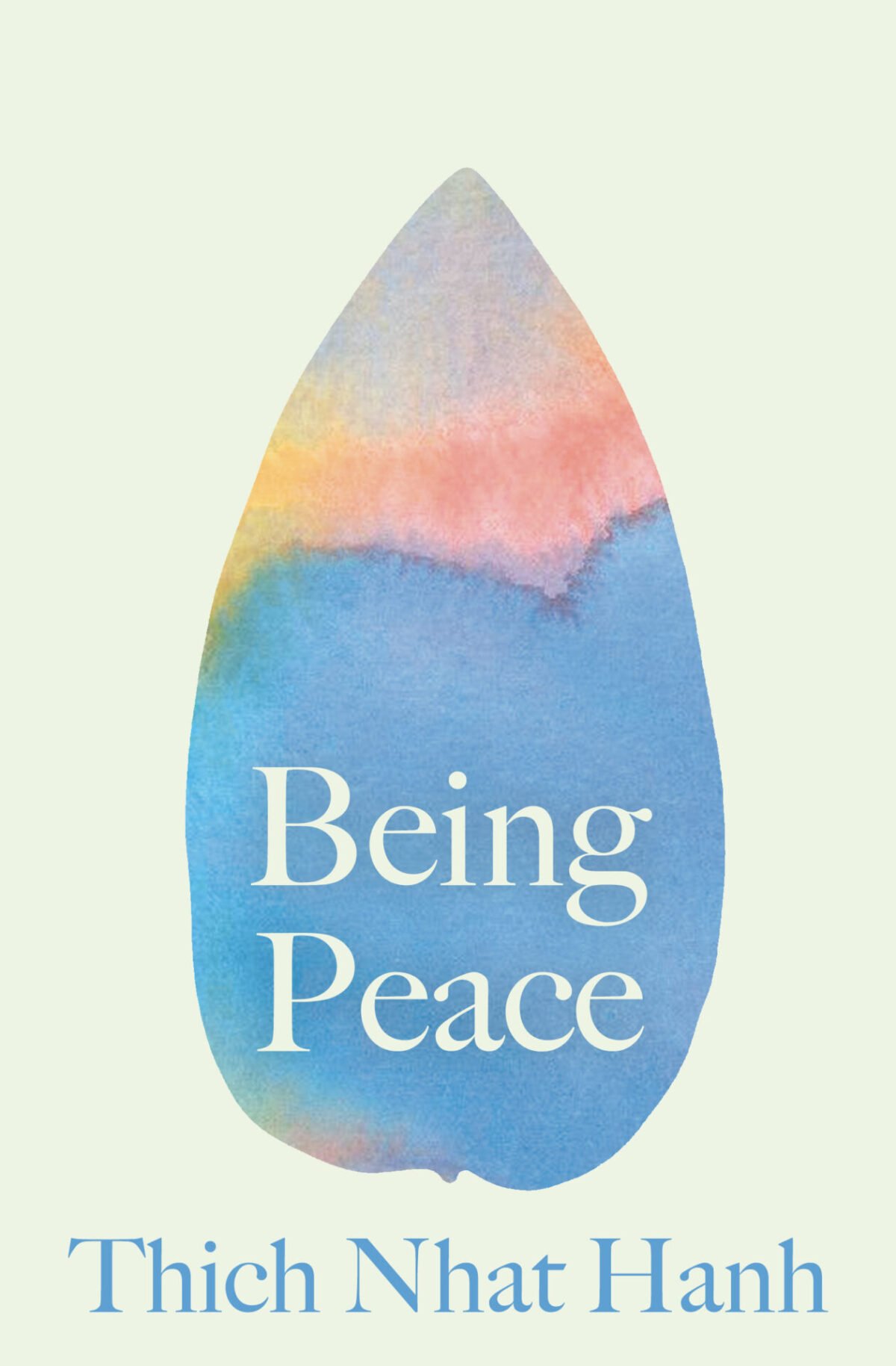
In the early 1990s in London, I picked up a book that would change my life. The cover had a vibrant abstract painting, a splash of color on a white background, and the title was Being Peace. Turning to the first page, I read the famous opening words:
Life is filled with suffering, but it is also filled with many wonders, like the blue sky, the sunshine, and the eyes of a baby. To suffer is not enough. We must also be in touch with the wonders of life. They are within us and all around us, everywhere, any time.
I was smitten. In his gentle voice, Thầy had a way of making the world’s sorrows recede just enough to allow joy to shine through my melancholic mind. “Do we need to make a special effort to enjoy the beauty of the blue sky?” Thầy asks. At the time, I was finding life quite heavy, a weight to be lifted rather than a joy. Thầy’s words illuminated a new way of living. Many years later, after moving to the United States and entering publishing myself, I had lunch with Parallax’s founding publisher, Arnie Kotler, who started Parallax over the proverbial kitchen table with his wife, Therese Fitzgerald, and I had the opportunity to thank him for his work. Together, Arnie and Therese shepherded the manuscript of Being Peace and more than thirty other books by Thích Nhất Hạnh through the publication process and out into the world, where they would touch the lives of millions of readers, including me.
I also got to know Travis Masch, Arnie’s eventual successor, through being neighbors; finally Rachel Neumann, Parallax’s third publisher, invited me to join the Parallax family. Although as a young person I’d taken a retreat with Thầy, it wasn’t until I’d hit middle age and Thầy was no longer actively teaching that I began to practice mindfulness in earnest. At my first work retreat, I met Thầy’s monastic students, inspiring teachers in their own right. Until then, I’d largely worked in a way that kept my “inner” spiritual life and my “outer” professional life separate. Coming in contact with people who prioritized mindfulness in daily life like the monastic Dharma teachers of the Plum Village Editorial Team—the sisters and brothers with whom Parallax works most closely—I came to see it was possible to live and work in a more holistic way. Acting from this unbroken wholeness (to borrow our author John Bell’s book title) is key to publishing the books that our culture needs to transform and heal.
The Interdenominational Floating Sangha
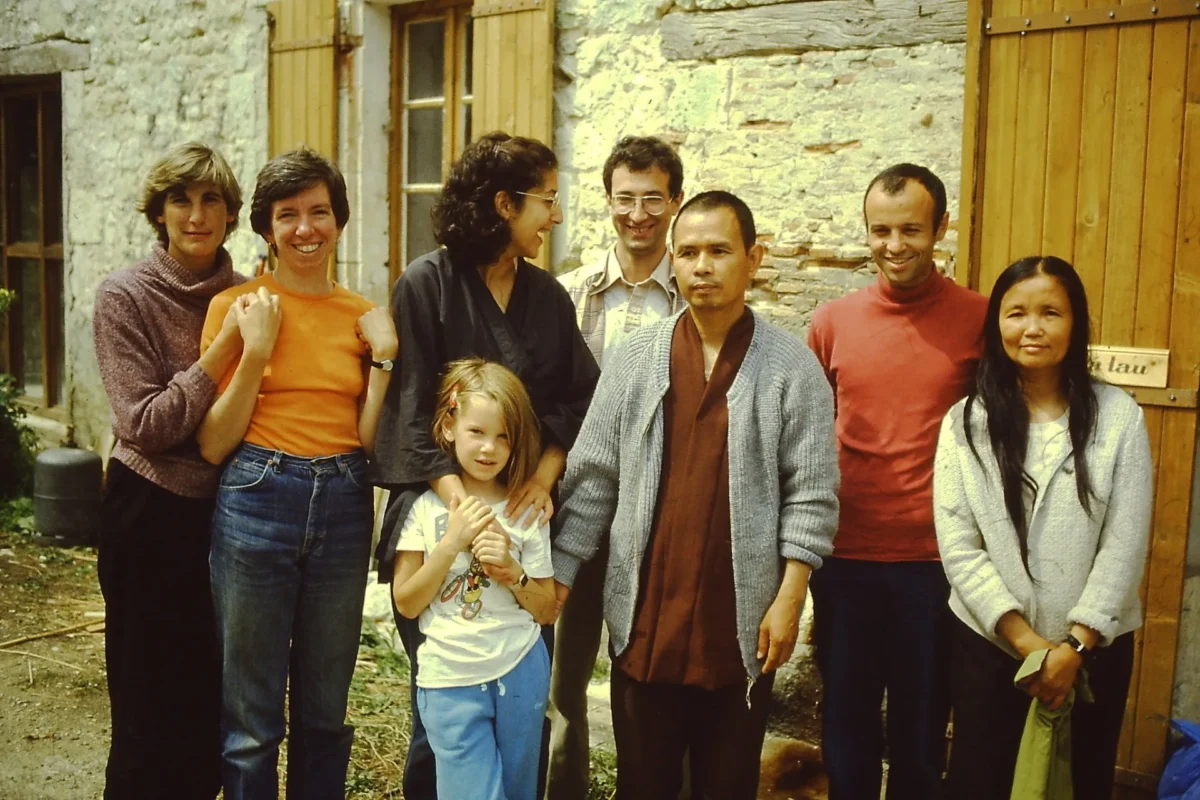
On the origins of Parallax, Arnie writes:
In 1985, I accompanied Thích Nhất Hạnh on his teaching tour across the United States. Sitting in a small room at the Providence Zen Center with about twelve retreatants, Thầy (meaning “teacher,” the name his students call him) held my hand tenderly as he spoke, and I felt seen, loved, and appreciated. Here was the loving father—and mother—I longed for. When he suggested we start a publishing company together, I enthusiastically agreed.
For the next eighteen months, I established Parallax Press’s infrastructure while also transcribing tapes of Thích Nhất Hạnh’s lectures and editing them into the book Being Peace. When the first 5,000 copies were delivered, it felt like giving birth. I kept the trunk of my car filled with books and felt joy and gratitude as Bookpeople agreed to distribute copies, Black Oak Books put them on a front table, and retreatants in Santa Barbara and other cities where Thích Nhất Hạnh taught purchased copies directly from the publisher. Parallax Press was up and running.
Thích Nhất Hạnh, his senior assistants, and I worked closely together for fourteen years. I edited transcriptions of his talks and translations of his Vietnamese writings, and Parallax published sixty books and tapes, more than half by him. His books sold in the tens of thousands and were translated into nearly thirty languages.… Hundreds of people were now participating in each of his retreats, and thousands were attending his lectures. These dynamic, creative individuals formed what poet Deena Metzger called “the interdenominational floating sangha.” And each summer, people gathered at Plum Village for what felt like an international Dharma festival.… As we worked together creating books and producing retreats and lectures, Thích Nhất Hạnh offered me encouragement and sincere appreciation.1
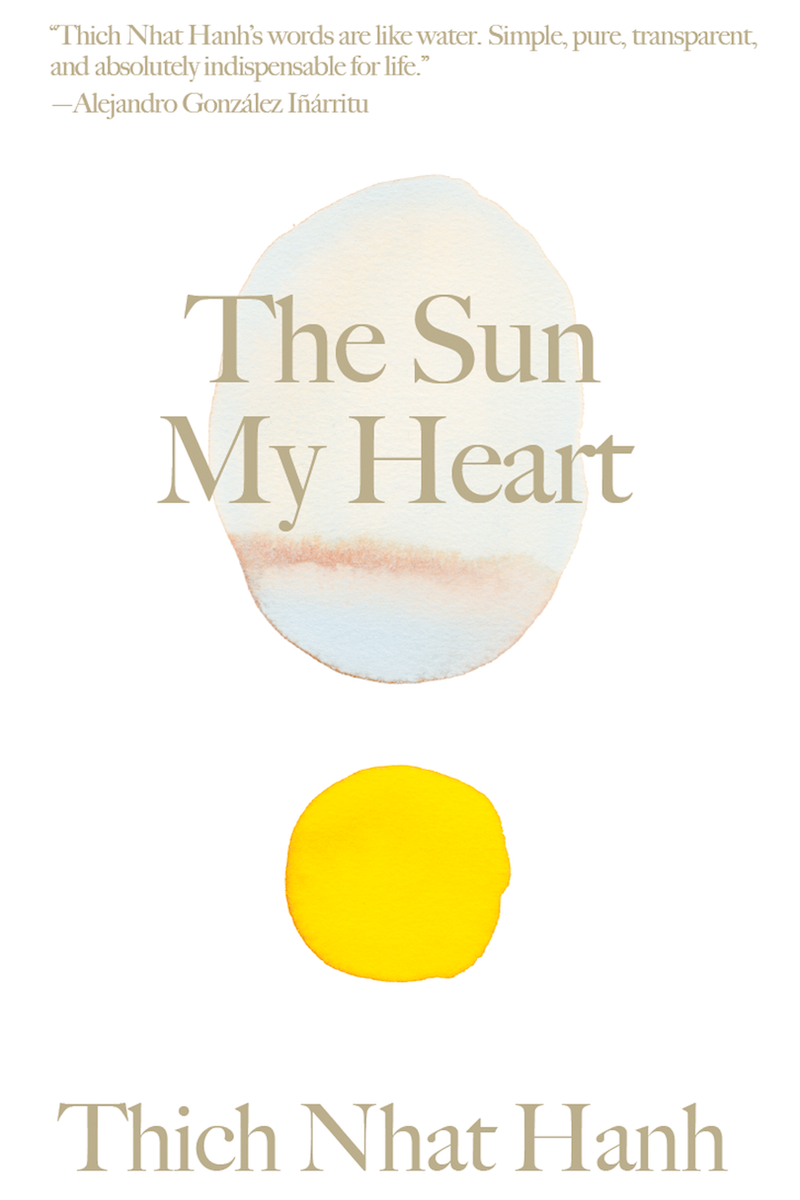
Key books from Arnie’s era (1986–1999)
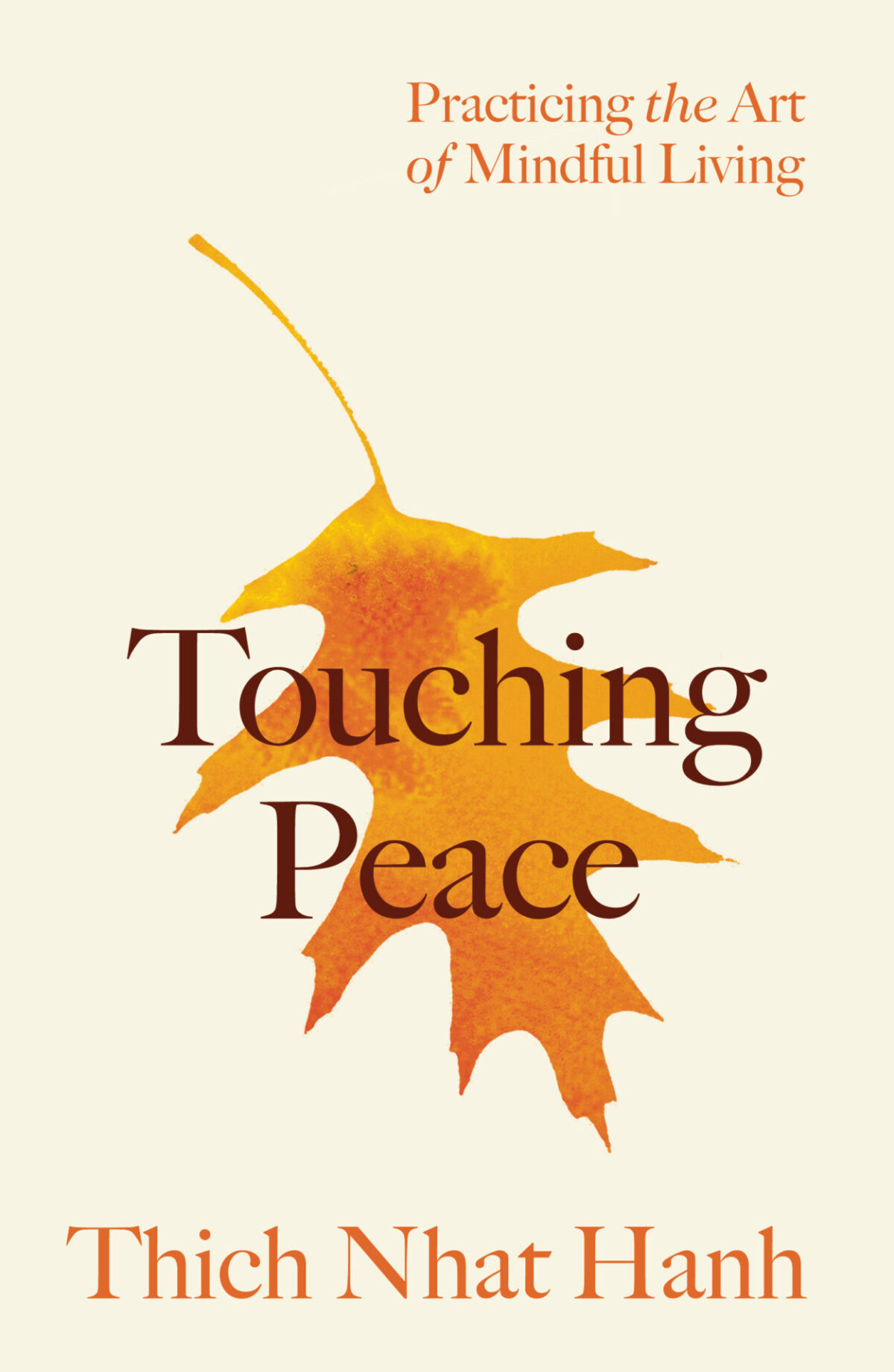
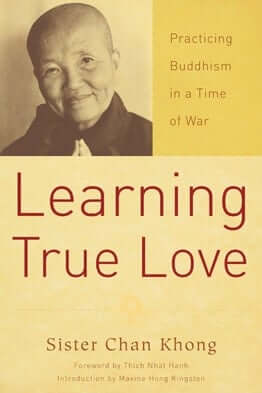
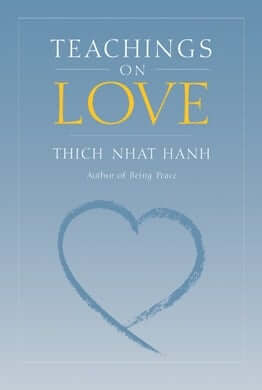
*
After Arnie’s tenure, Thầy asked beloved Dharma teacher Dr. Larry Ward to be Parallax Press’s publisher, but as Larry’s wife, Peggy Rowe Ward, remembers, Larry said, “I’m not an editor.” Nevertheless, he agreed to steward the transition: “It was very hard to say no to Thầy.” Larry would fly every month to Berkeley to help the board and staff through this difficult period.
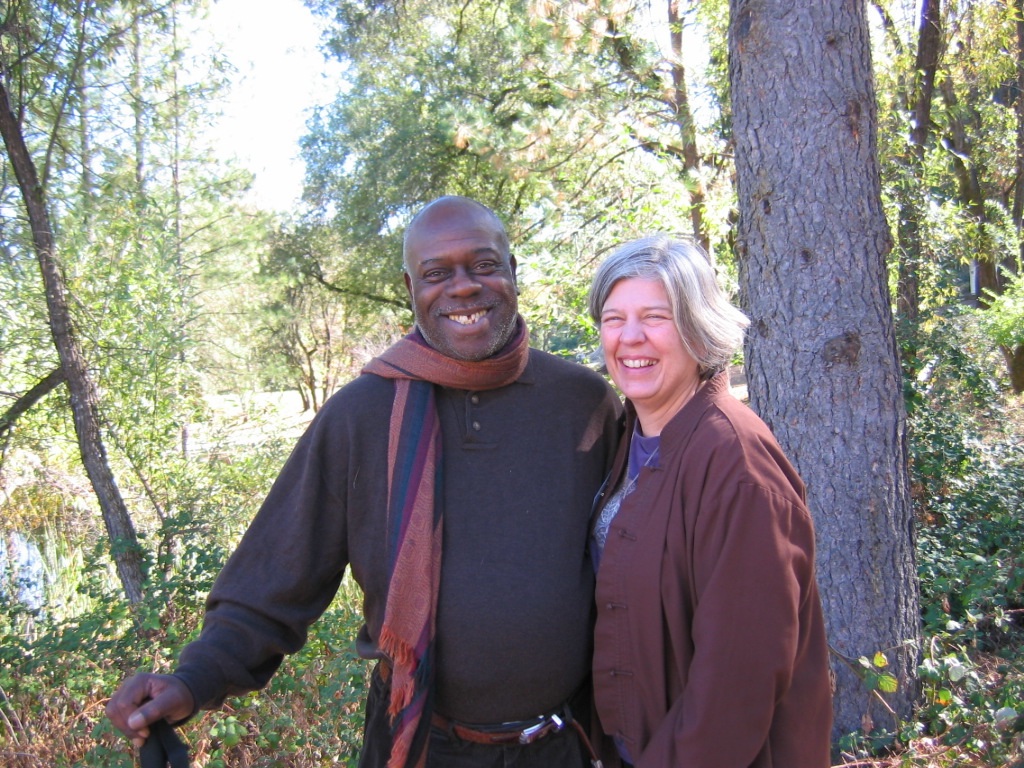
Travis Masch, a kindly Order of Interbeing member from Germany, had initially joined Parallax to help run the business side of the operation. Eventually, the board of directors invited him to serve as the publisher, a position he then held for thirteen years. Prior to stepping into the publisher role myself, I was fortunate to sit down with Travis and ask for his advice about how best to work in a spiritual community. Here’s a condensed version of the wisdom he shared:
- Don’t rush. Take the long view.
- For a mission-driven press like Parallax, it’s important for those who work there to be practitioners. Always take the practice into account in your interactions. It is invaluable to rest in practice as a common basis.
- Hold regular staff retreats at a practice center. Retreats are an opportunity to remind Parallax staff where we’re coming from and going to. Try to see yourselves not only as a publishing company but as a sangha so actions can flow from that space.
- Be a mediator. See the priorities of the community and the business, and try to balance needs. Remember you are there to be of service.
- When you’re upset with someone, light the candle of compassion. Remember, they are struggling. If someone had a certain difficult character trait before entering the practice, this can lead to being unchecked on the playing field of a spiritual community. Remember that community practice is not always enough as a skill set to deal with difficult feelings, and the needed skills to solve interpersonal issues may not be present. You can be sure that if someone is difficult for you, that experience is shared by others.
- It’s good to remember everyone is human and carries their childhood heritage with them.
- Whether in the monastery or in the world, the energy of intense (egoic) aspiration can’t be sustained. There has to be an equal amount of letting go, letting be, gentleness toward self and others, and true maturity.
- Develop a sense of safety and security within yourself. Be kind. Be compassionate, no matter what, to everyone, including yourself. There are so many resources for spiritual growth—Plum Village is a good practice country!
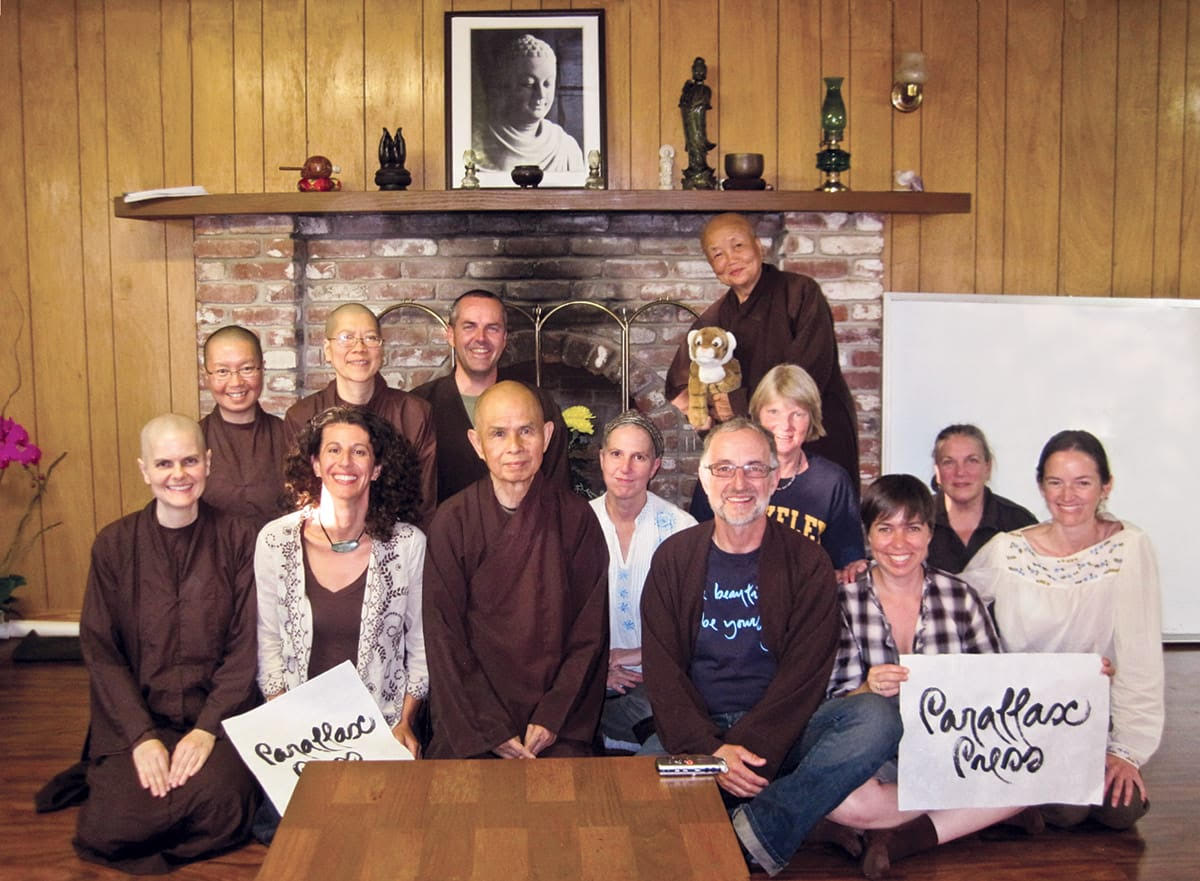
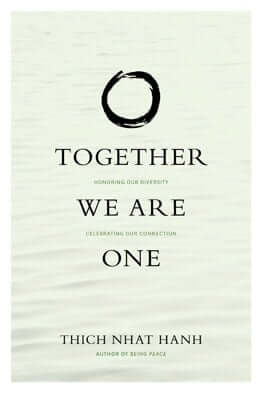
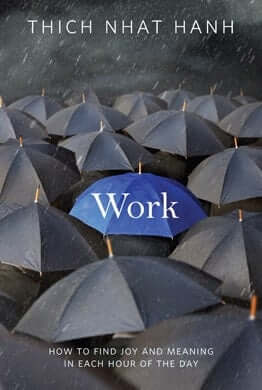
The books from Travis’ time reflect his interest in mindfulness as a transformative practice for healing relationships and building community.
Key books from Travis’s era (1999–2012)
*
Travis was aided during his tenure by editor Rachel B. Neumann, who would become the dynamic third publisher of Parallax. Prior to being hired at Parallax as Thầy’s editor, Rachel had been a fast-talking Village Voice journalist in New York. Absorbing the Dharma through reading and editing Thầy’s books and in the swirl of life with her family, Rachel specialized in applying mindfulness to everyday situations. As she writes in her humorous memoir, Not Quite Nirvana: A Skeptic’s Journey to Mindfulness, “Every mindfulness teaching should come with a big warning on it: Try this at home.”
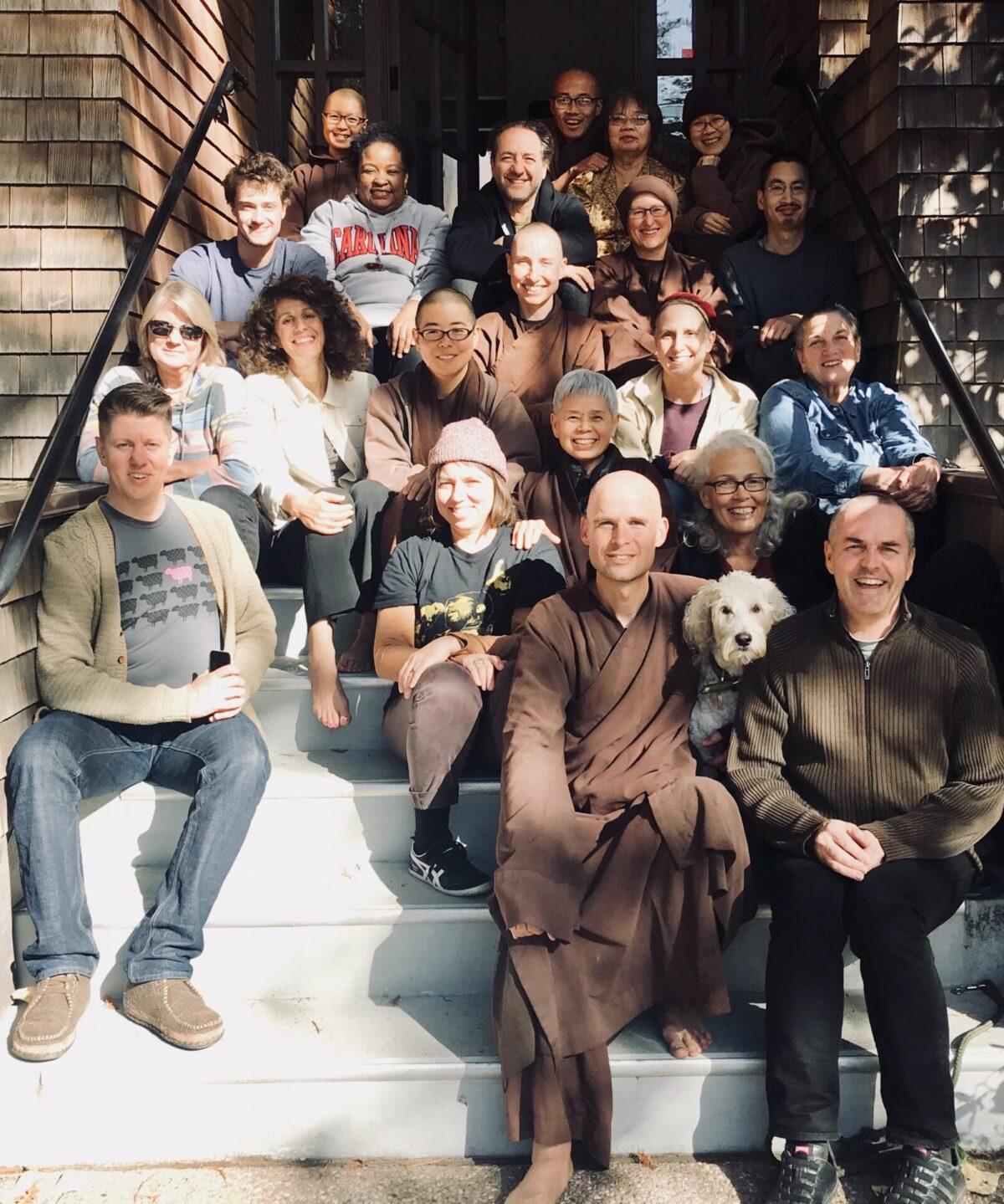
One of the things that attracted me to Parallax when Rachel invited me to join was the emphasis on mindfulness practice at work. As Rachel describes in her book, every day at the office begins with a sitting meditation.
When I started working for Thầy, [I] was told that part of the office culture was to sit for fifteen minutes most mornings. Fifteen minutes seemed like an excruciatingly long time to sit still without anything to read, but I was willing to try it. After all, I was pregnant and tired and sitting down with my eyes closed, even if I had to sit up straight while I did it, seemed like it might actually be a nice rest.
For the last ten years, I have begun most workday mornings like this: My coworkers and I sit in a circle with our eyes closed. We begin the sitting with the ringing of the meditation bell, which is called “inviting the bell” because we’re not supposed to “strike” it but rather “invite” it to sound. One person invites the bell, the rest of us just sit with our eyes closed. We just sit. Sometimes the phone rings. Sometimes someone coughs or shifts. I hear it … just as it is, a cough or a shift.… [The] sitting encourages my diligence, so that when thoughts come into my mind, it helps me remember to let them come and go, like sticks floating down the river of my consciousness.
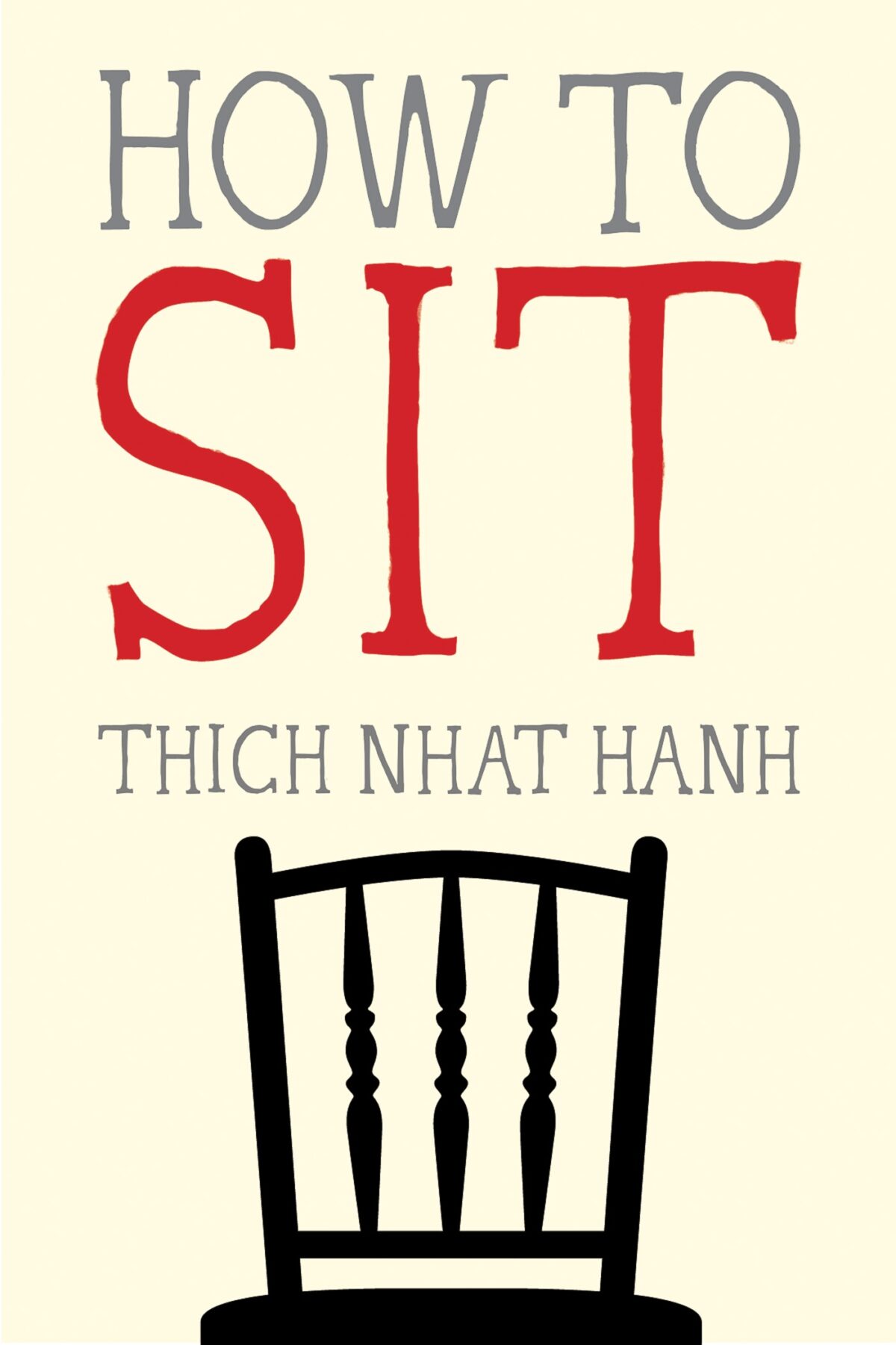
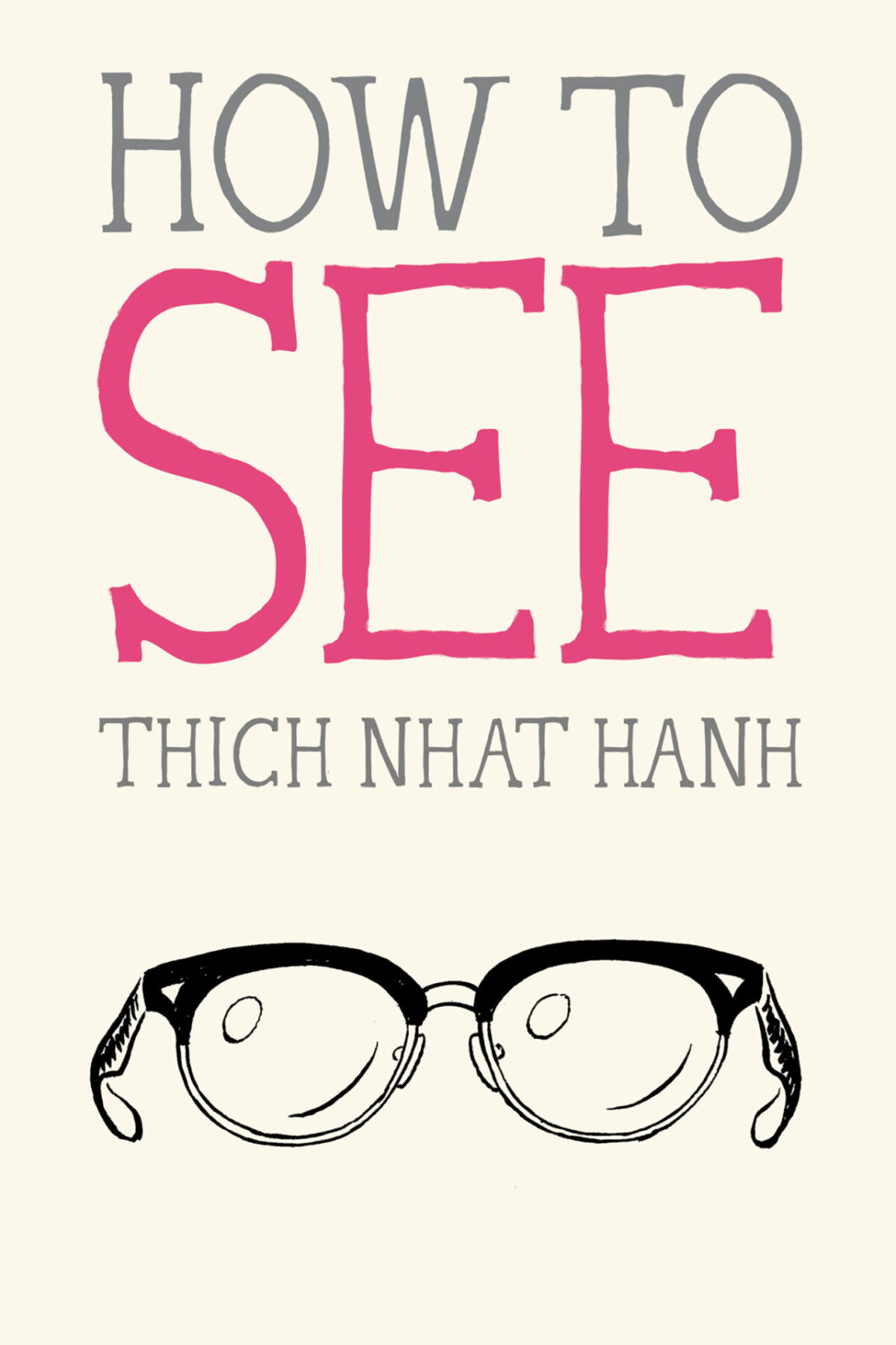
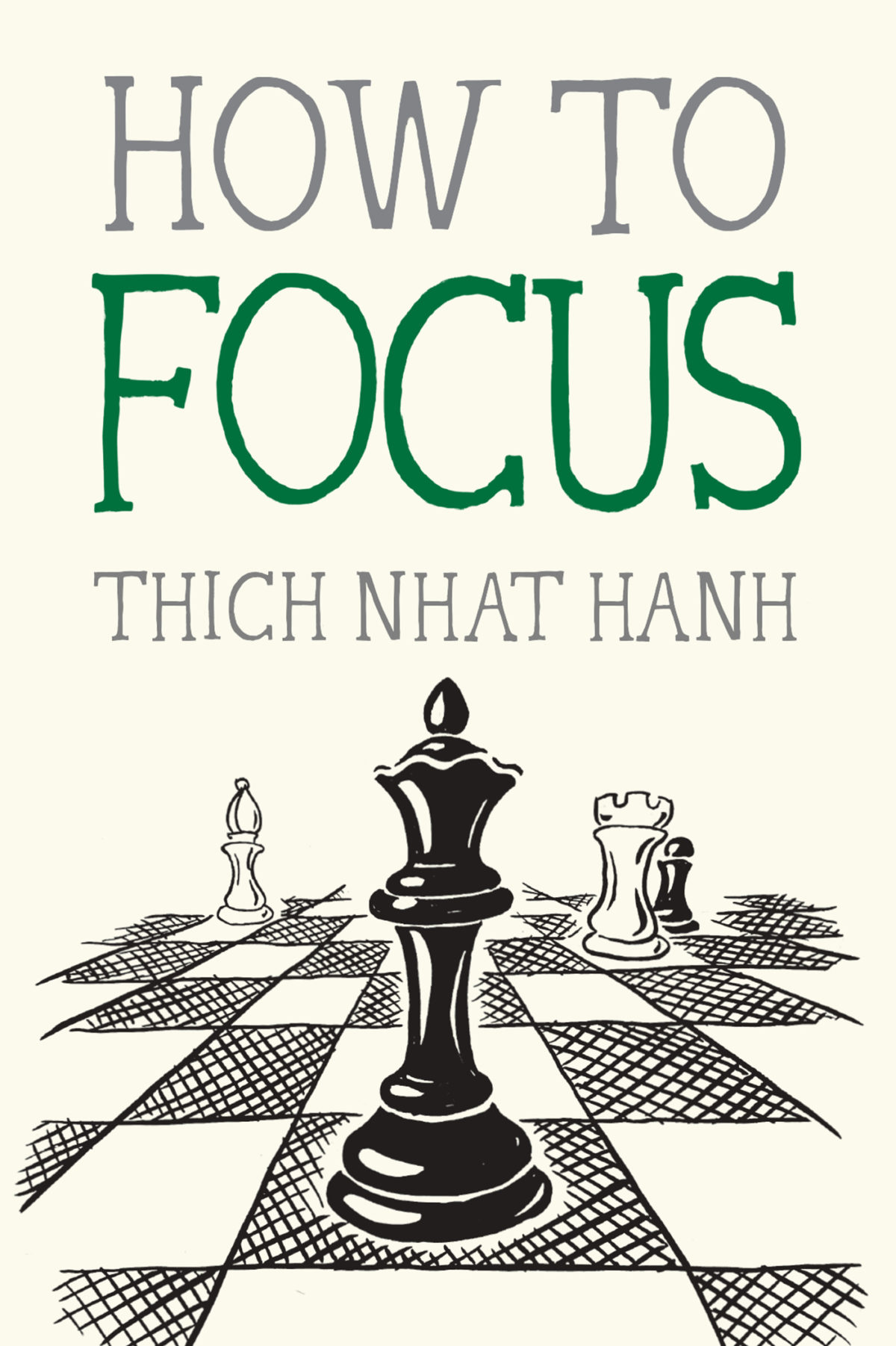
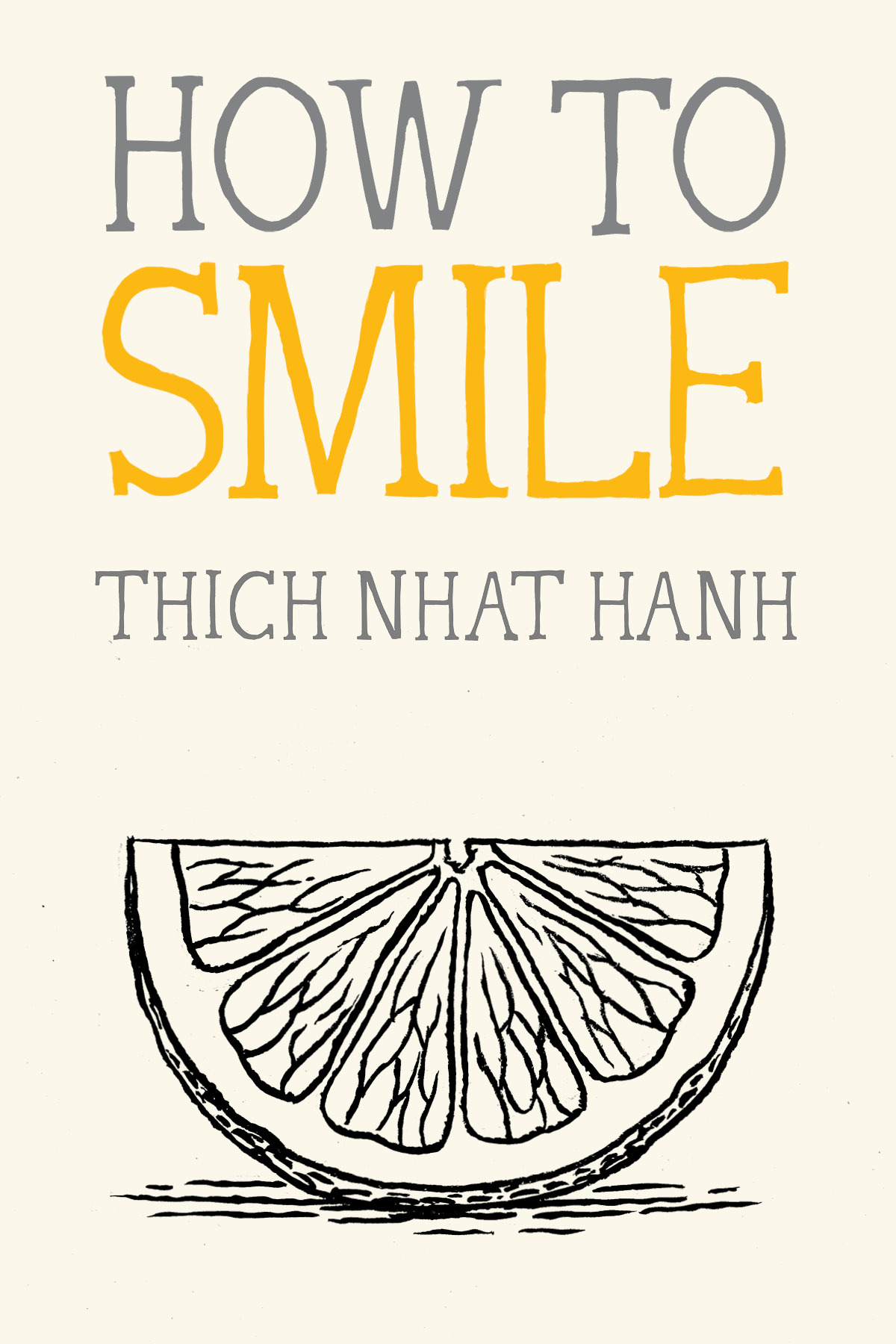
The practice of daily sitting continues at Parallax to this day (though it has morphed into a Zoom session as we now work remotely). With the help of senior editor Terry Barber, who had a deep experiential knowledge of Thầy’s teachings from having lived in Plum Village centers for ten years, an introductory book on sitting meditation was formed from transcripts of Thầy’s teachings. This would become the first book in the best-selling Mindfulness Essentials series, How to Sit. Illustrated by Rachel’s husband, artist Jason DeAntonis, and designed by book design maestra Debbie Berne, these cute, pocket-sized, beginner-friendly books began a new era of Parallax’s publishing program. The books took off and became a familiar sight in bookstores all over America.
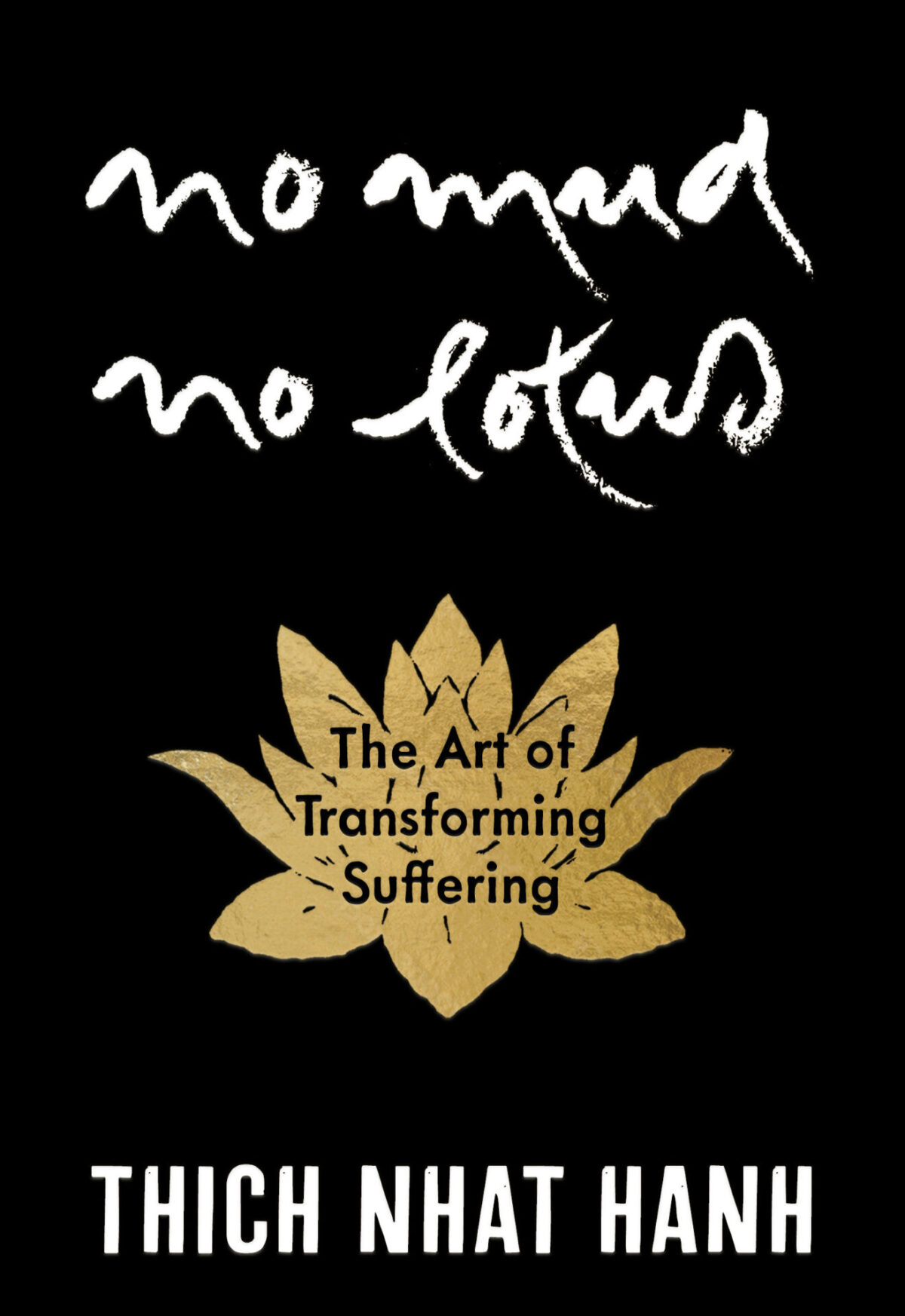
Key books from Rachel’s era (2012–2017)







Freedom as a publishing sangha
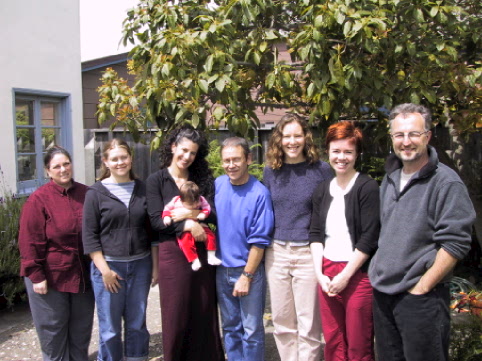
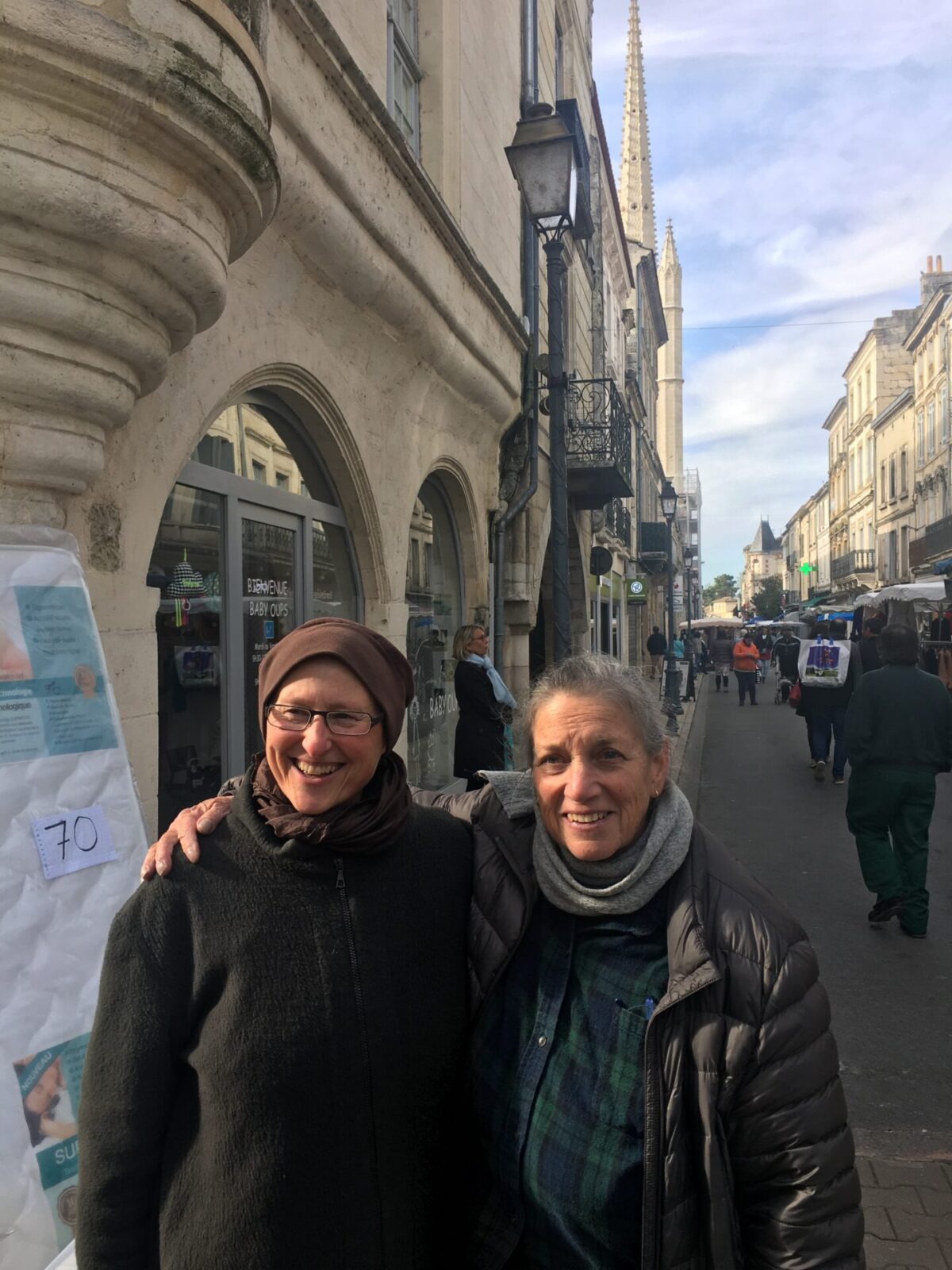
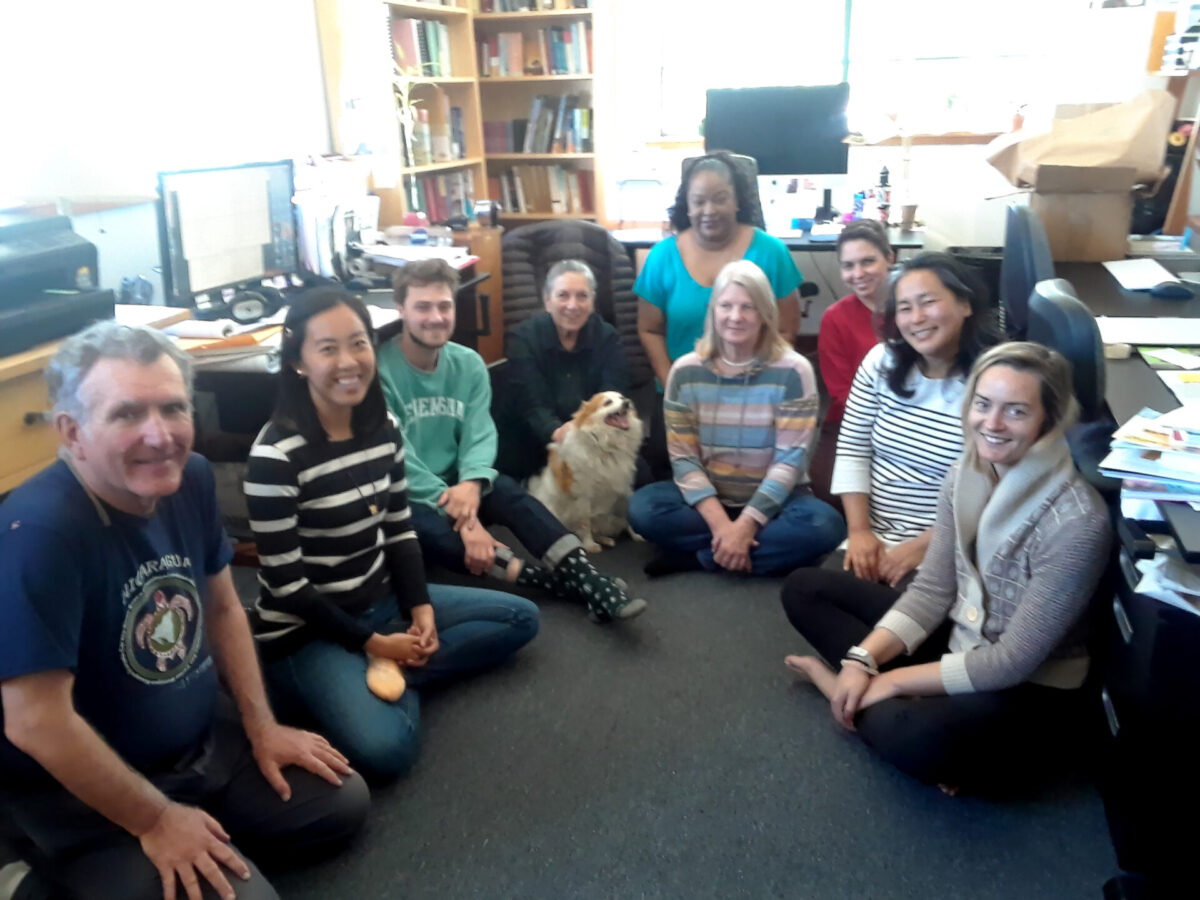
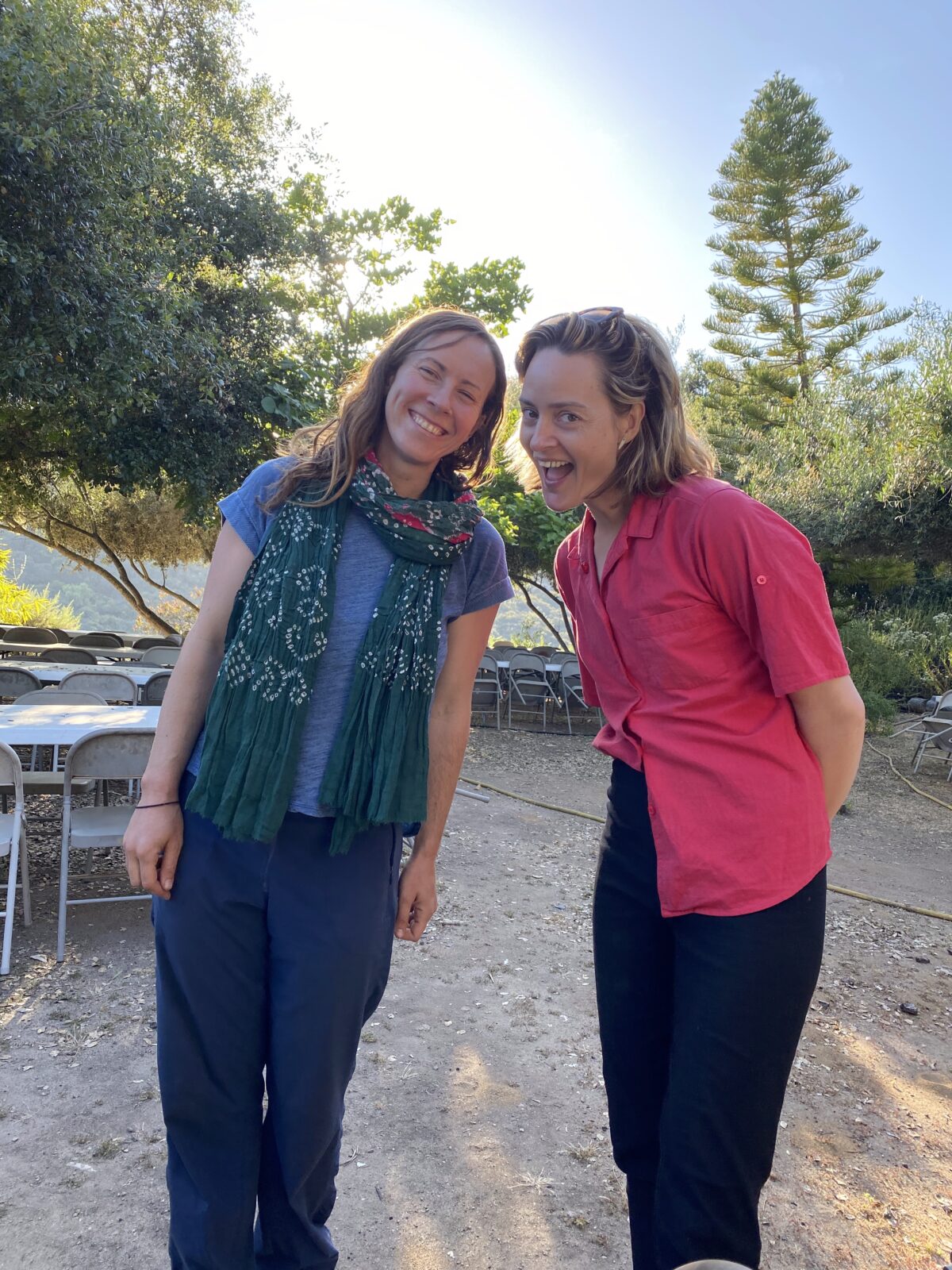
Rachel went on to become an agent, and I became publisher in 2019, paying attention not only to our books but also to how we operate as a company. While Parallax is a small indie press, it is also part of a vast organism—the international Plum Village community. And in addition to Plum Village folks, many non-practitioners would join the staff just to work in publishing and lend a hand in ways large and small. This retrospective would be incomplete without mentioning the many talented staff, interns, and volunteers who passed through the doors of Parallax, some of whom stayed for years and became practitioners in the process.
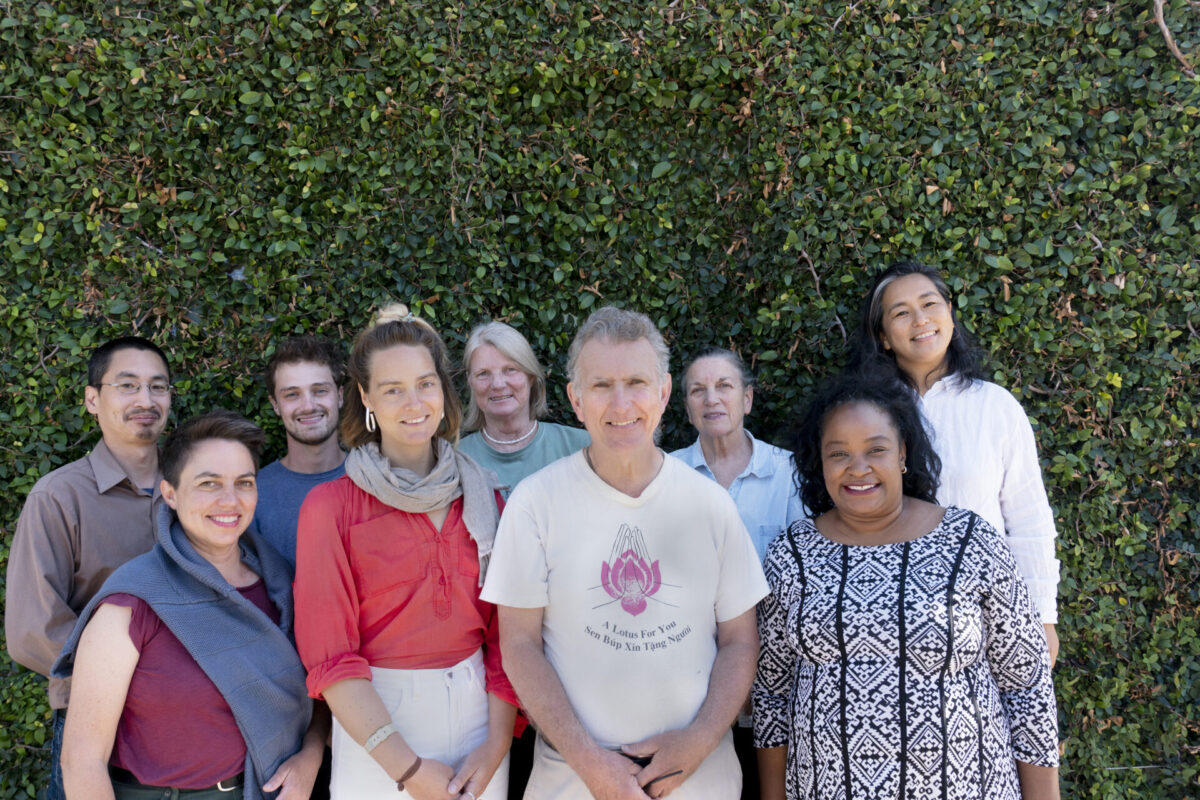
During my six years as publisher, I worked with stellar people, first and foremost the Plum Village editorial team, who somehow manage to find the time to help Parallax in the midst of their busy monastic duties: Brother Pháp Dung, Sister Lăng Nghiêm, Brother Pháp Lưu, Brother Brother Pháp Linh, Sister Hiến Nghiêm, Sister Trì Nghiêm, and Sister Trai Nghiêm. Through them, I learned what publishing (and living) from the heart looks like. I’m deeply grateful for board members Jo Confino and Judith Kendra, my mentors and guiding lights, and our entire working board and colleagues at the Thích Nhất Hạnh Foundation. Thank you for lending me an ear (and sometimes a shoulder to cry on). Our current staff of publishing professionals is composed of sincere Plum Village practitioners, including Order of Interbeing members and aspirants. I would also like to mention former board members Chau Yoder and Kenley Neufeld for their decades of service to Parallax; past staffers Heather Harrison, a former Lonely Planet sales director, who joined after reading Thầy’s book Anger, for her willingness to muck in and do whatever was needed to help; and Jacob Surpin, who brought a fresh eye to Parallax and edited with flair and sensitivity.
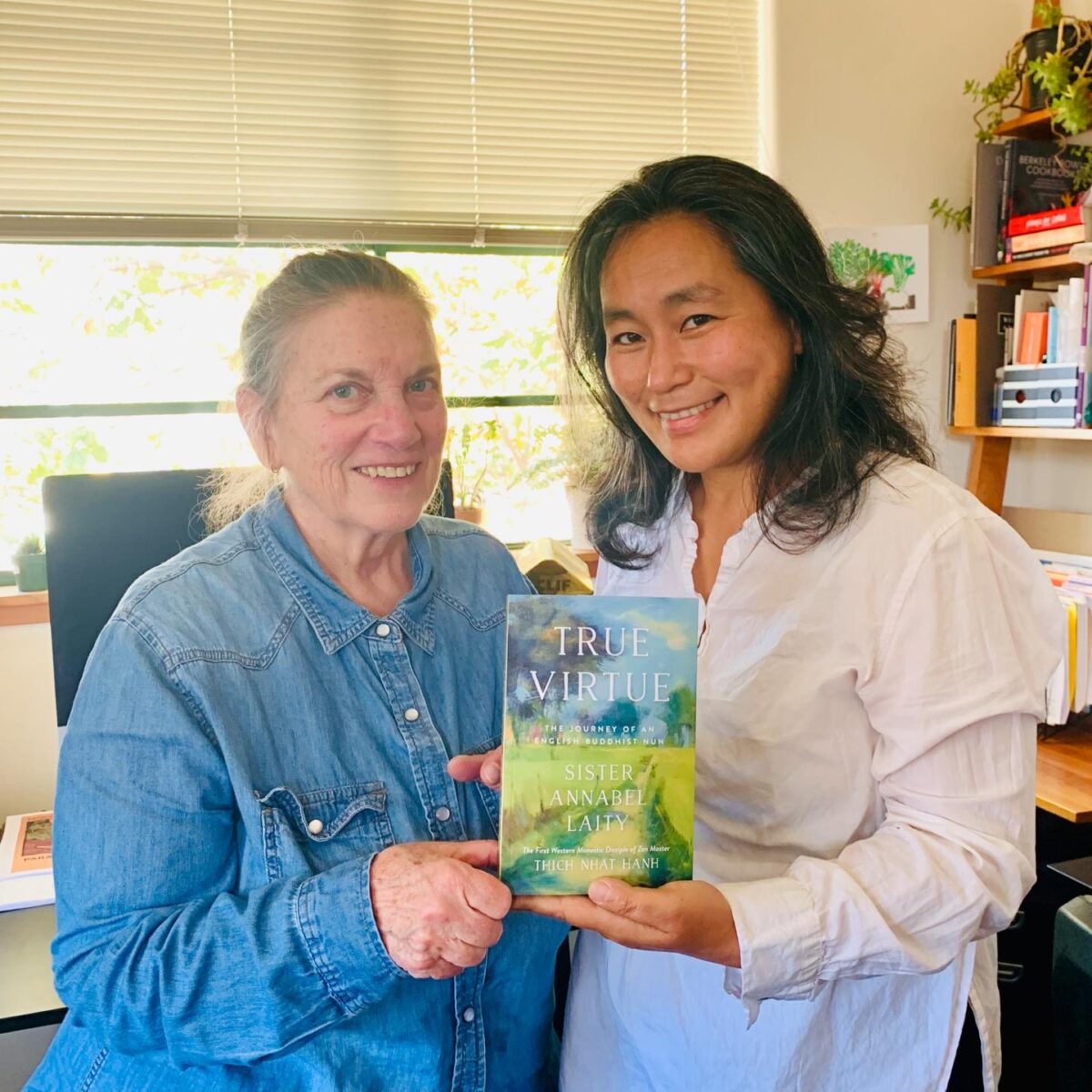
In particular, I’d like to honor the memory of Dharmacharya Terry Barber (1946–2024), our longest-serving member of staff, who joined in 2005 and eventually became the editorial director of our Palm Leaves imprint of scholarly books. Frequently self-effacing and placing herself in the background, yet undeniably carrying the spirit of the Dharma with her warm heart and discerning mind, she was instrumental in editing all of Thầy’s books for Parallax with great patience, love, and dedication. As a publisher and as a practitioner, whenever I’m in a quandary, I think to myself, “What would Terry do?” and in every case, this question helps me choose the better and kinder option.
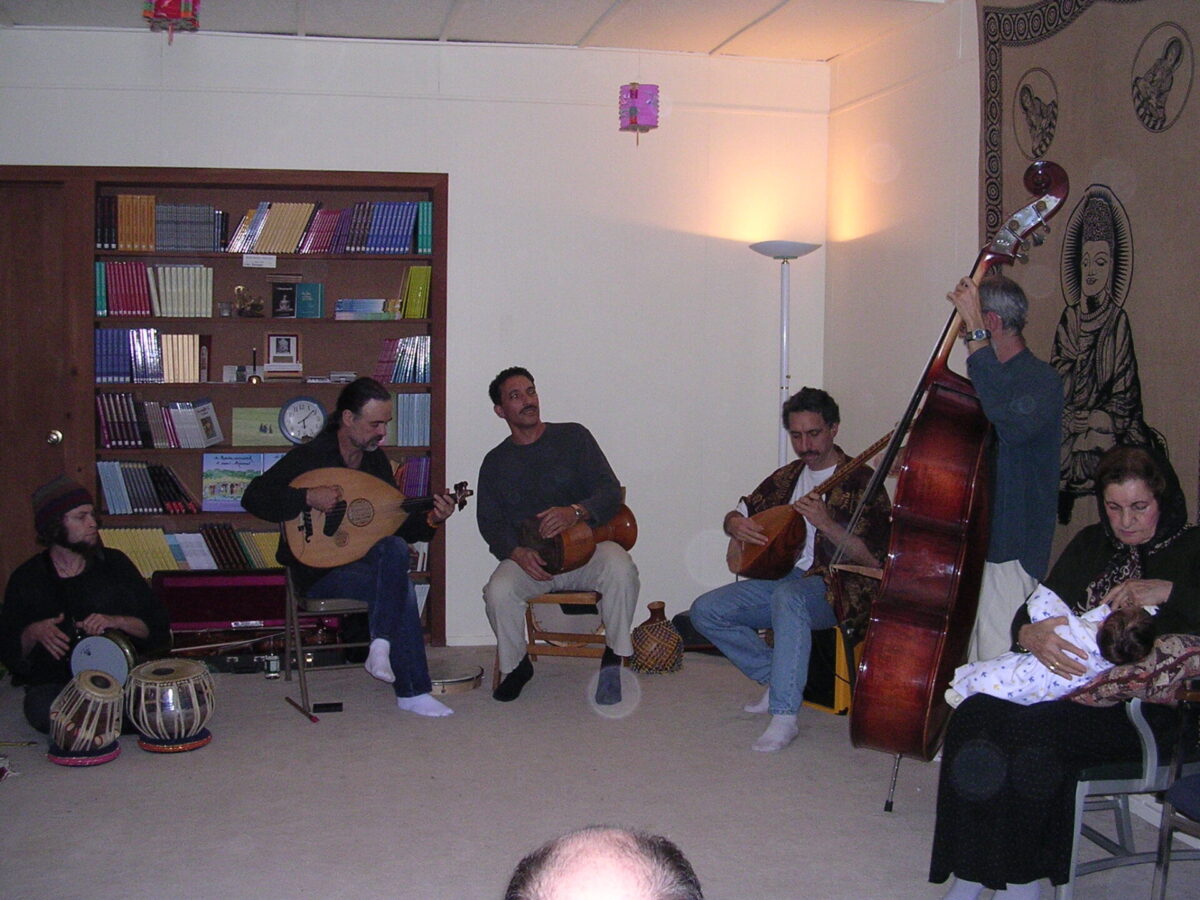
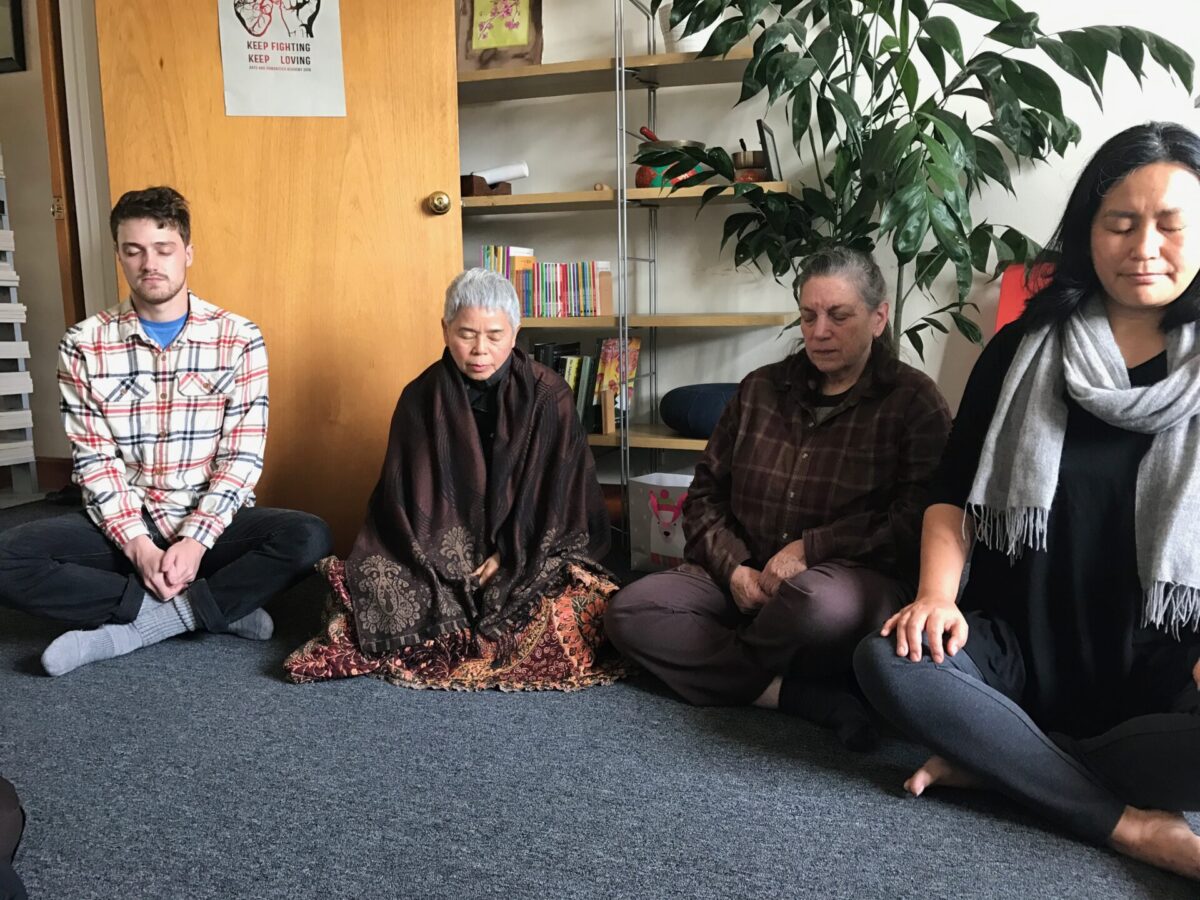
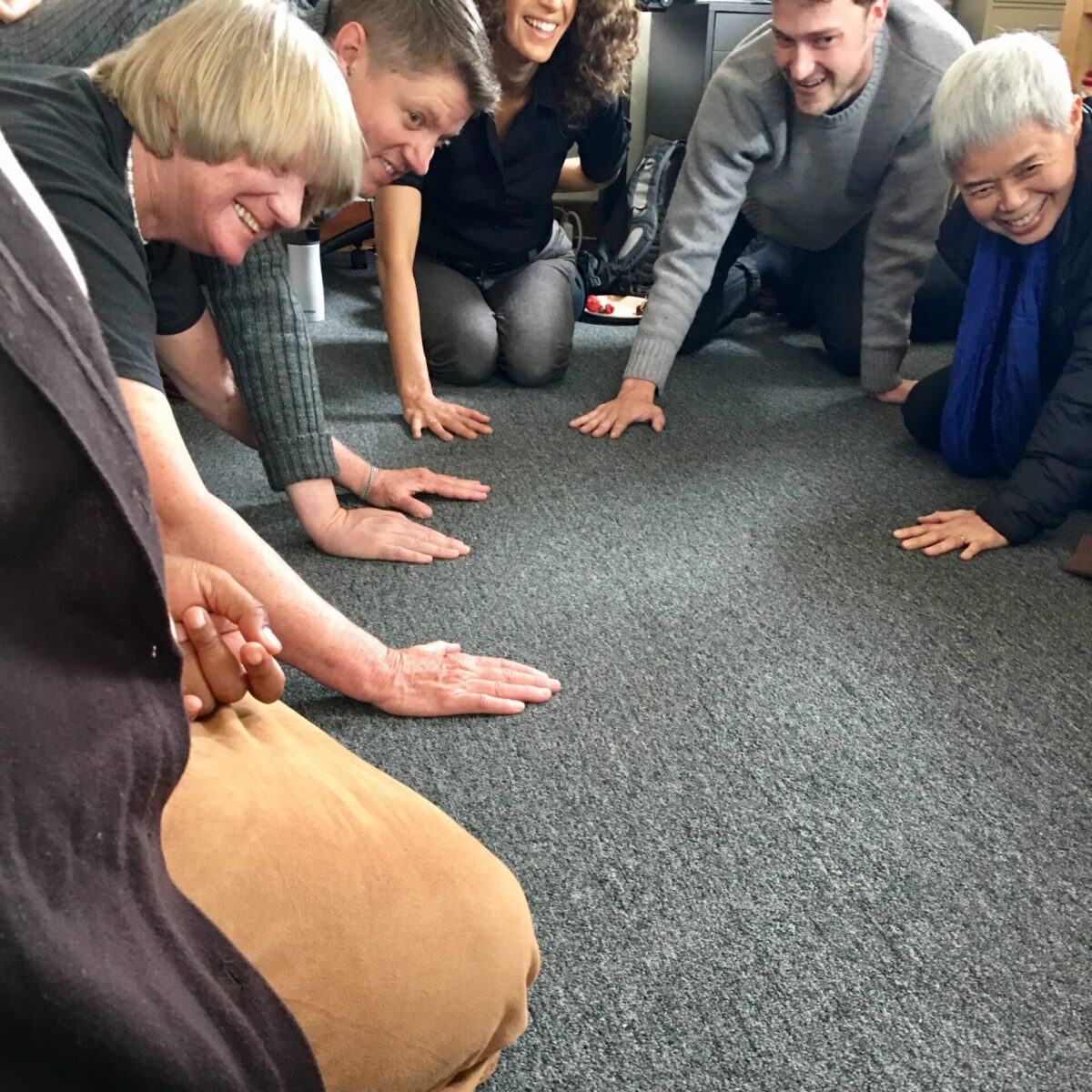
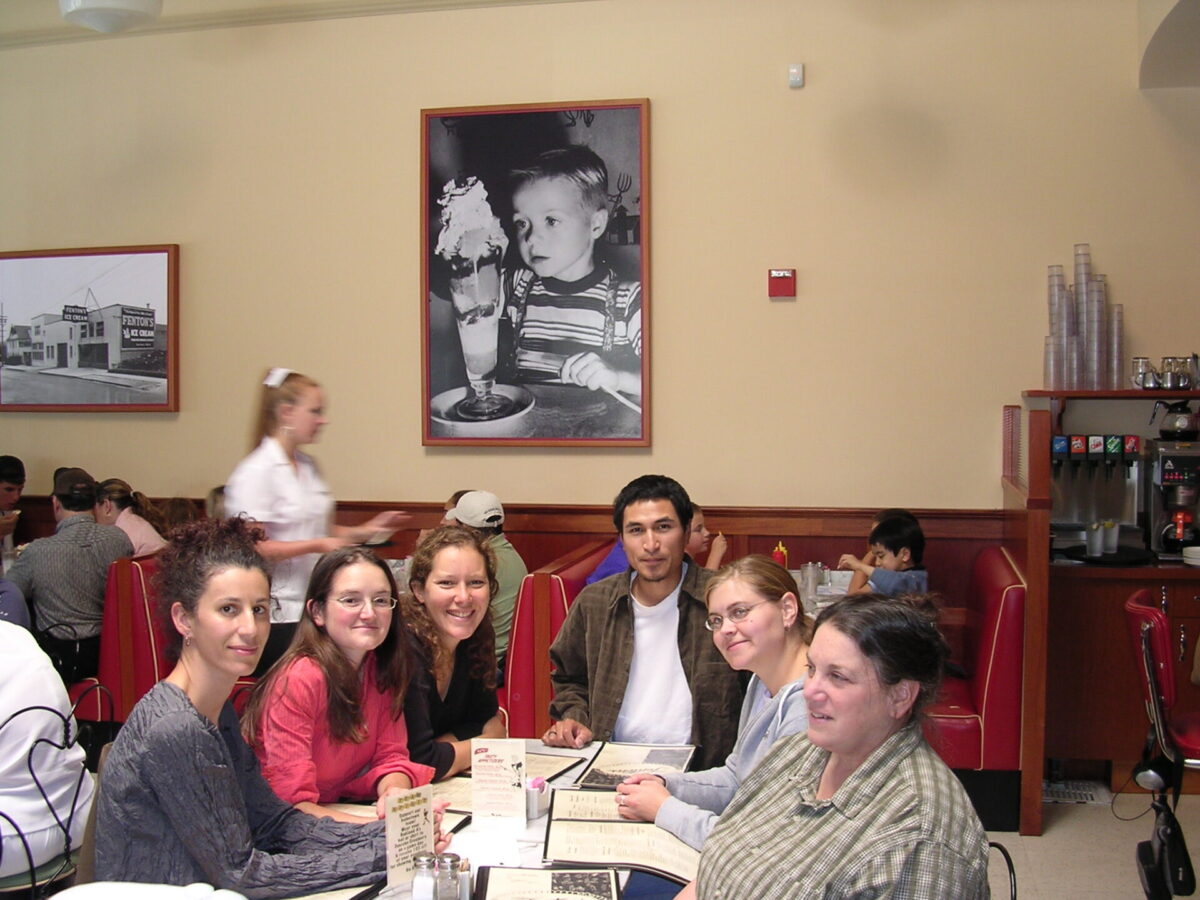

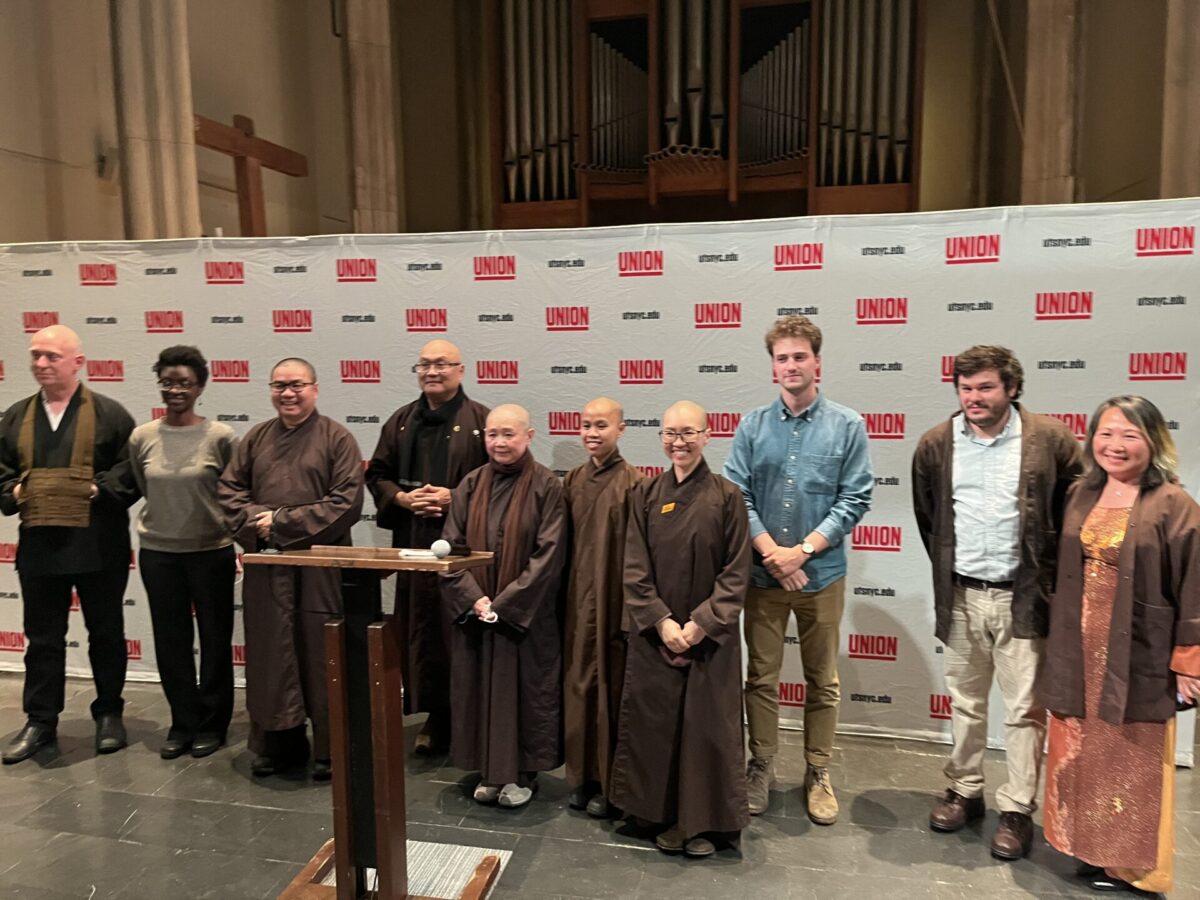
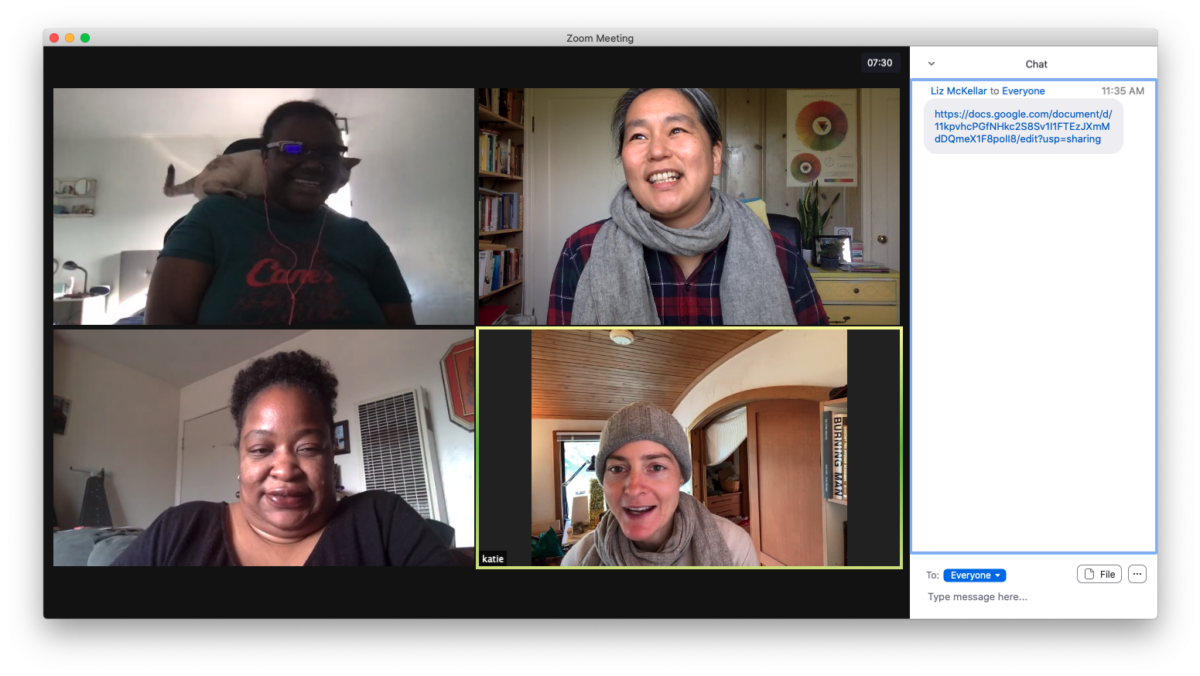
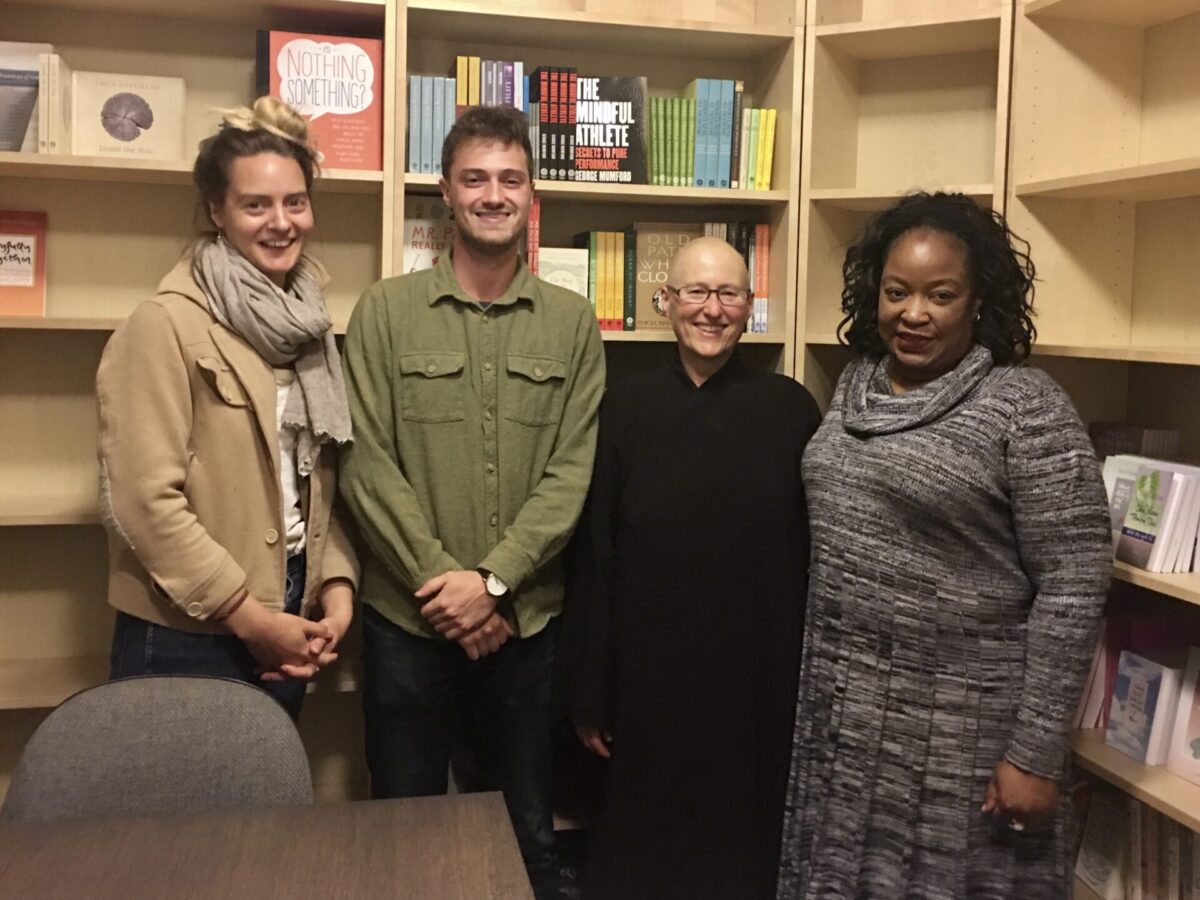
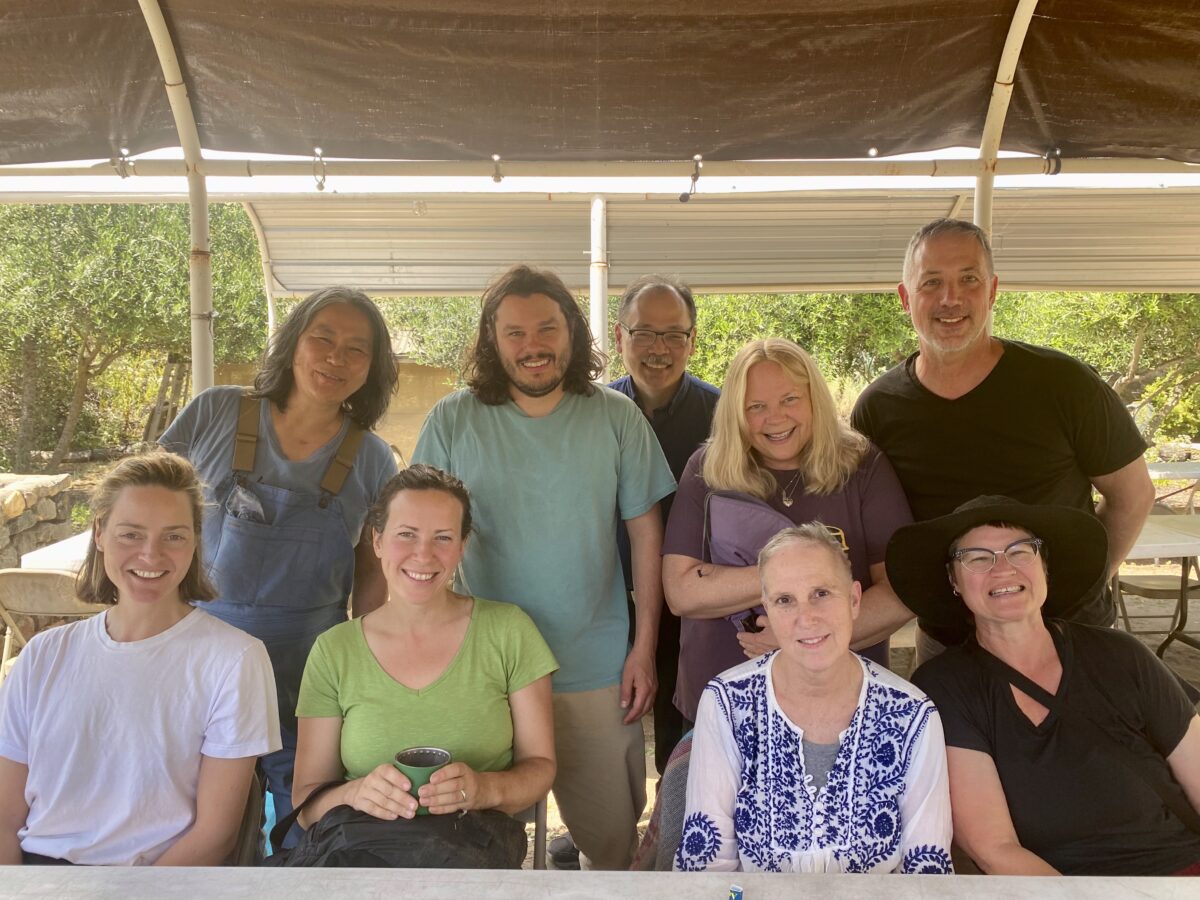
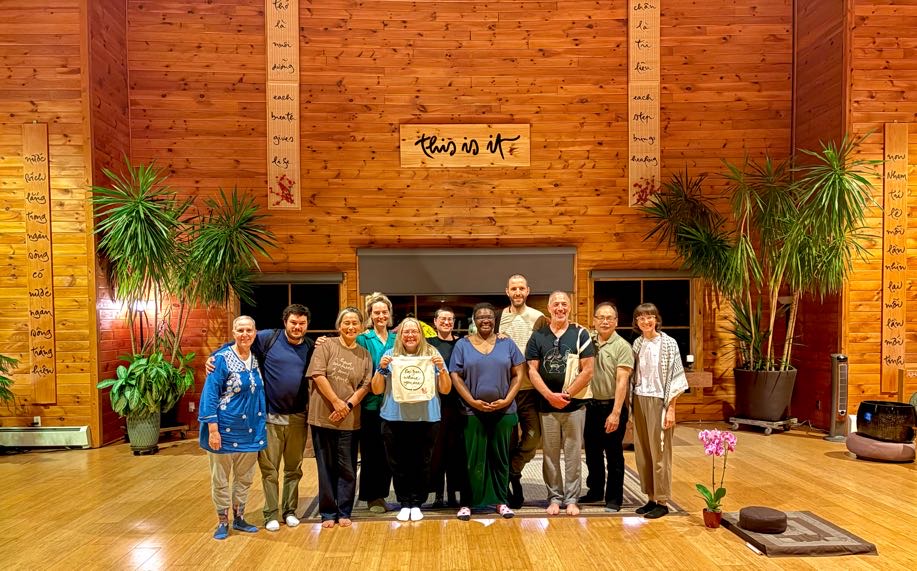
The past six years, as our global society has struggled with existential threats from the Covid-19 pandemic, the rise of fascism, wars, genocide, the unprecedented number of people without a safe home, and our leaders’ failure to respond to the climate crisis underlying it all, our community continues to grow and thrive, and so does our publishing program. Perhaps the need for wisdom that help us liberate ourselves from ignorance and suffering is at an all-time high. It’s incredibly exciting to see books by the next generation of Dharma teachers who were trained by Thầy—both lay and monastic—take wing and bring transformative insights and practices to readers worldwide, applying the timeless teachings of Buddhism to our very present joys and sorrows.
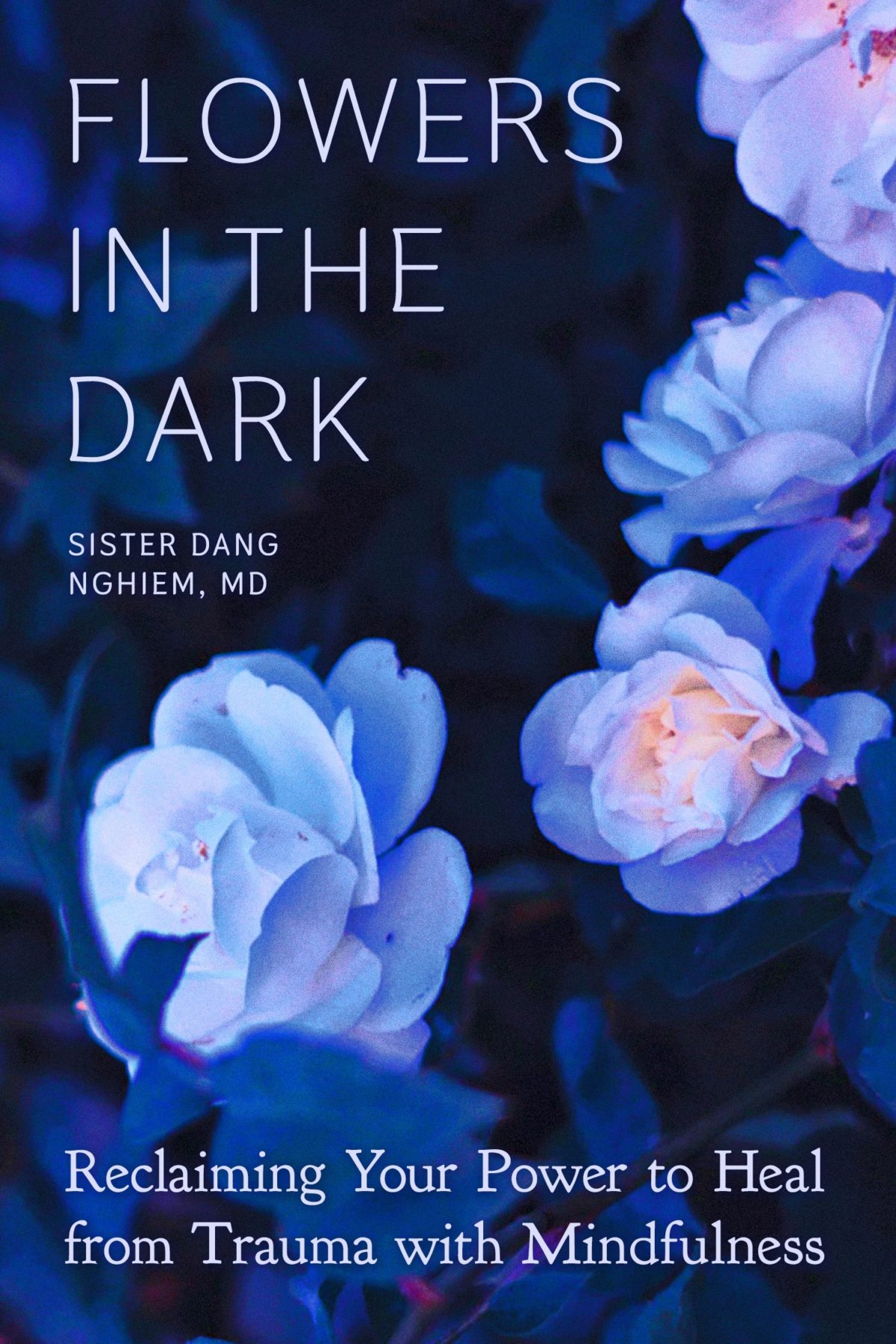
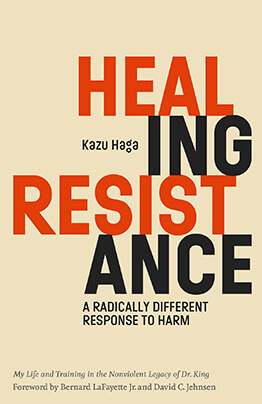
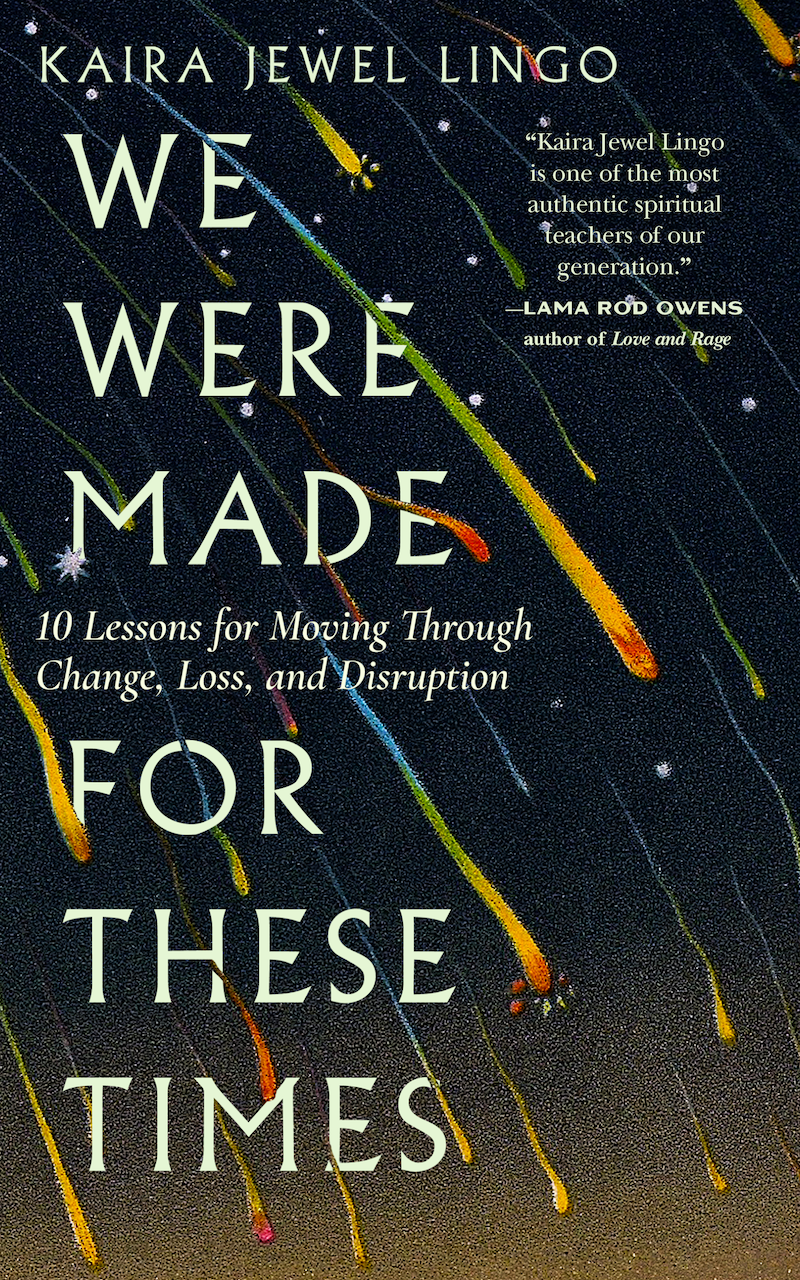
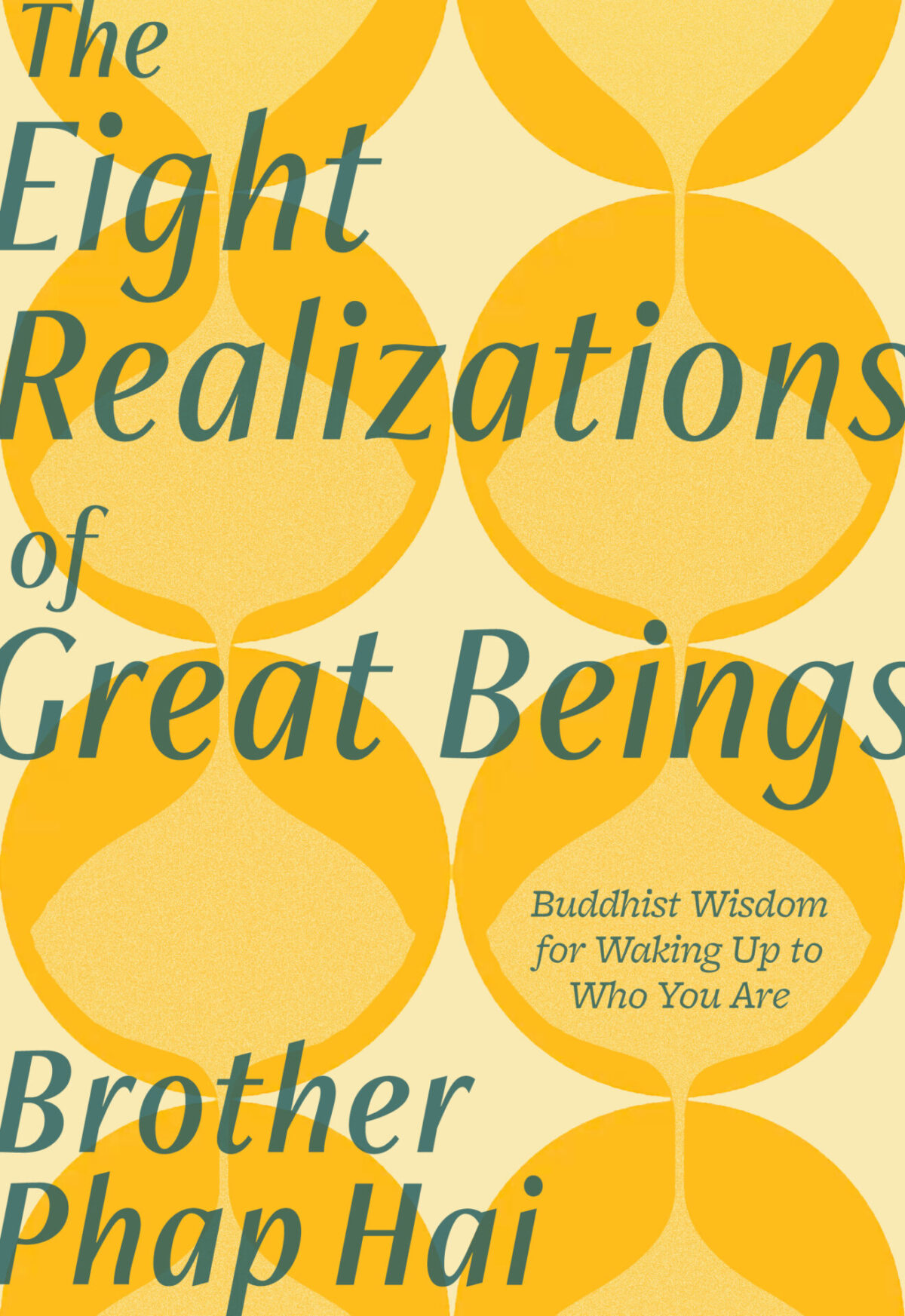
Key books from Hisae’s era (2019–2025)

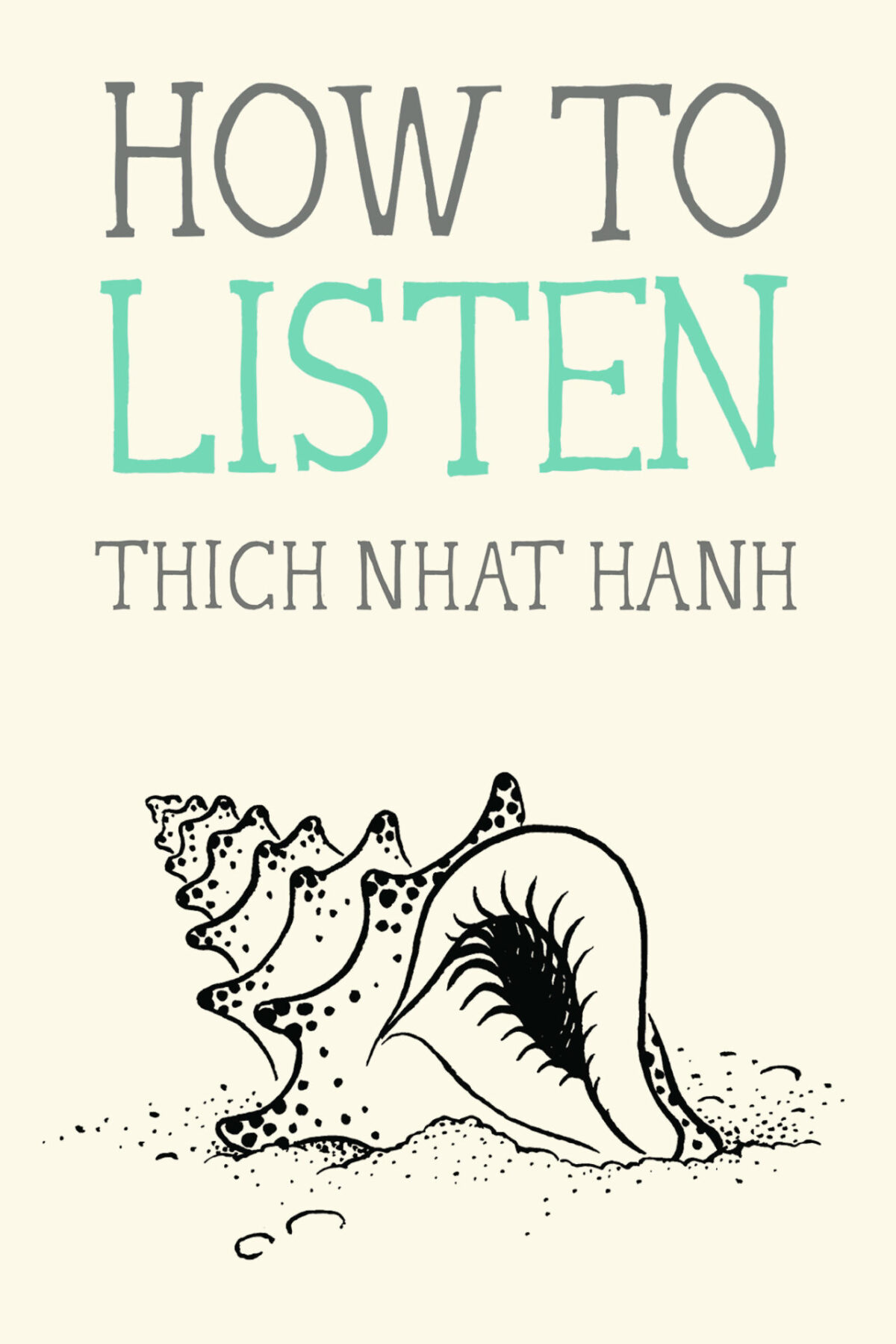
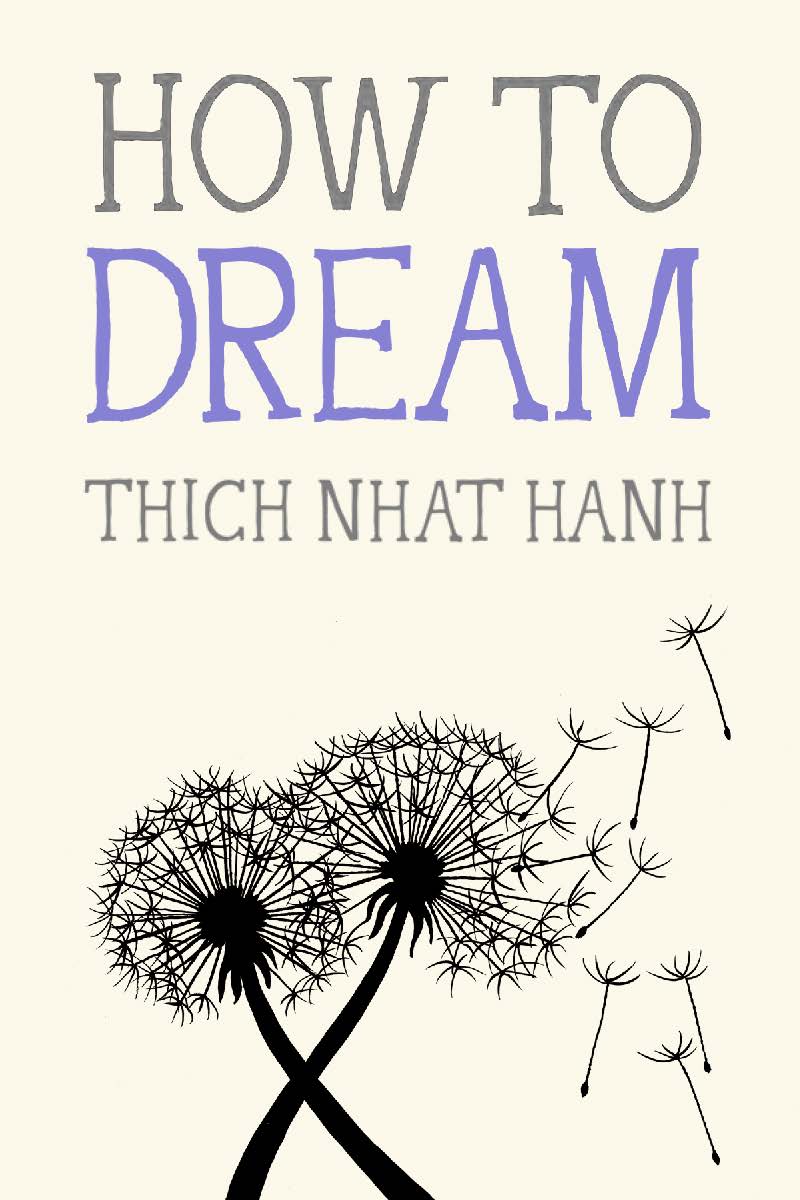
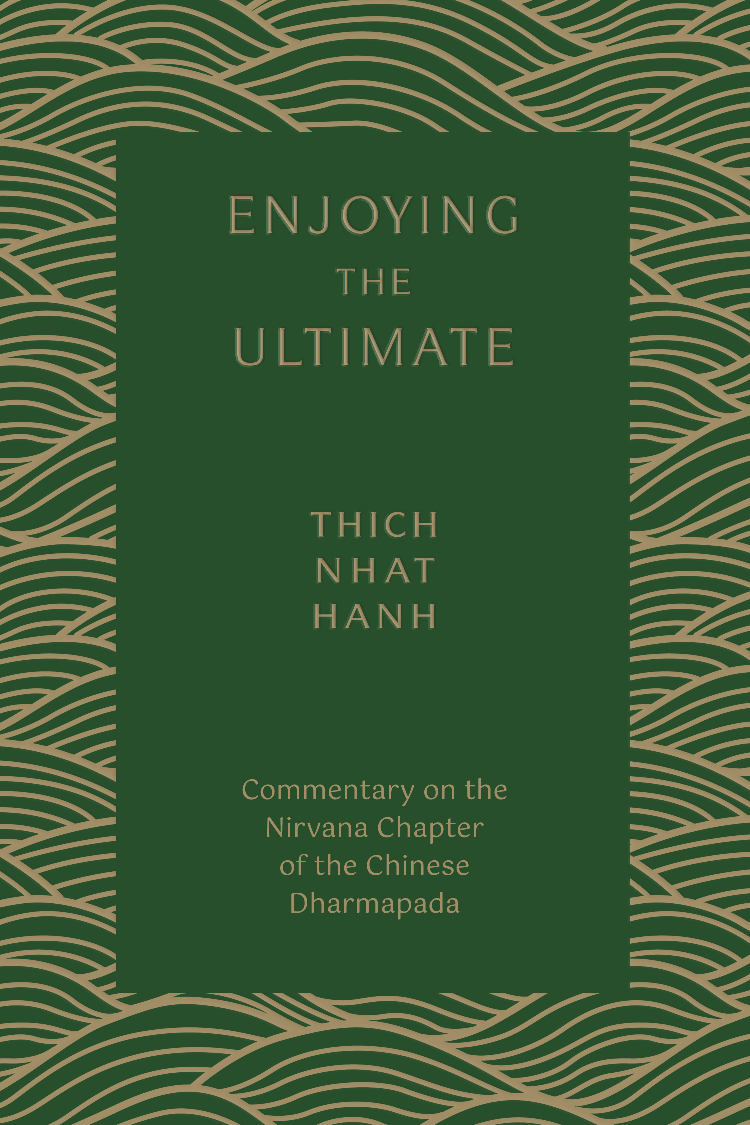
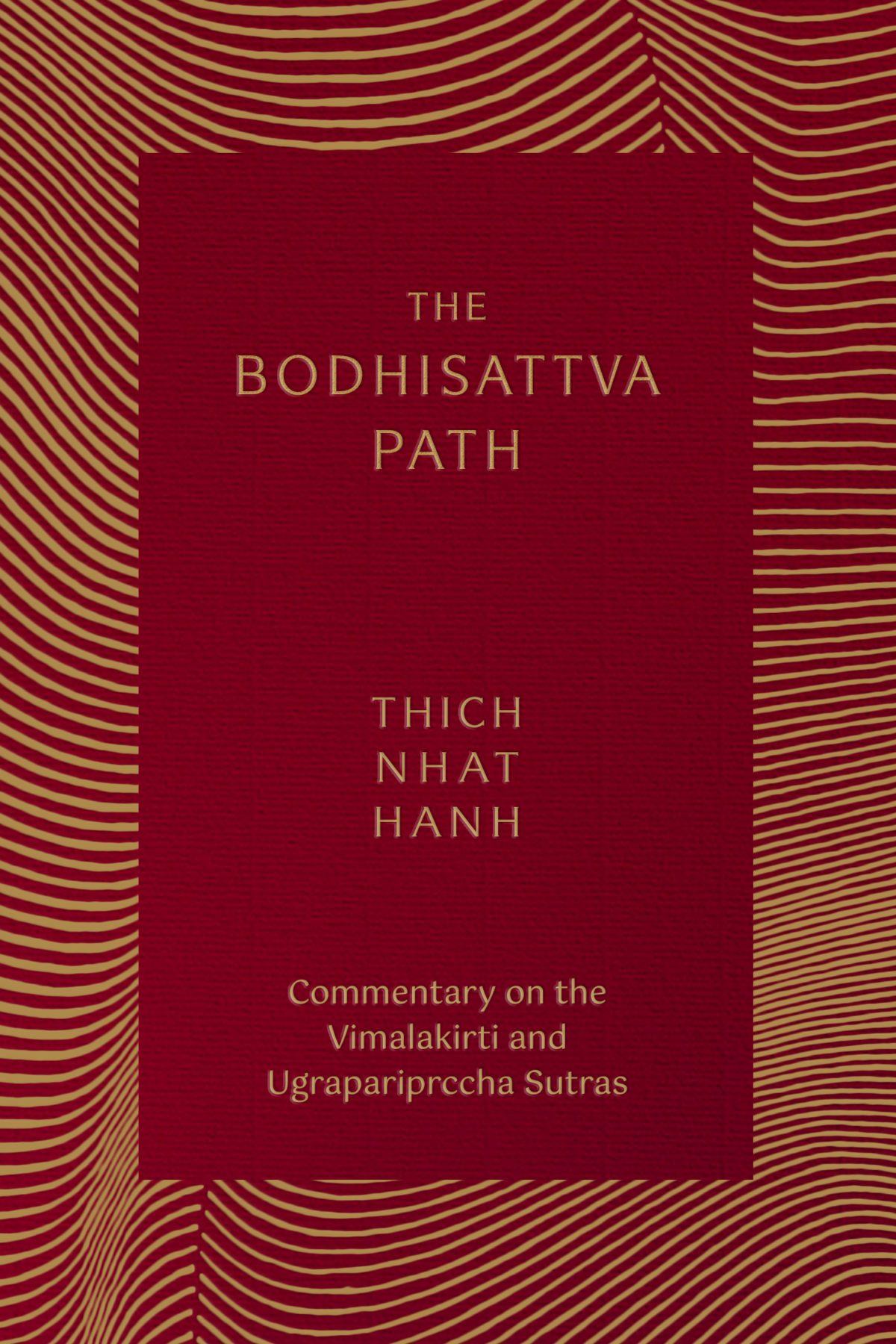
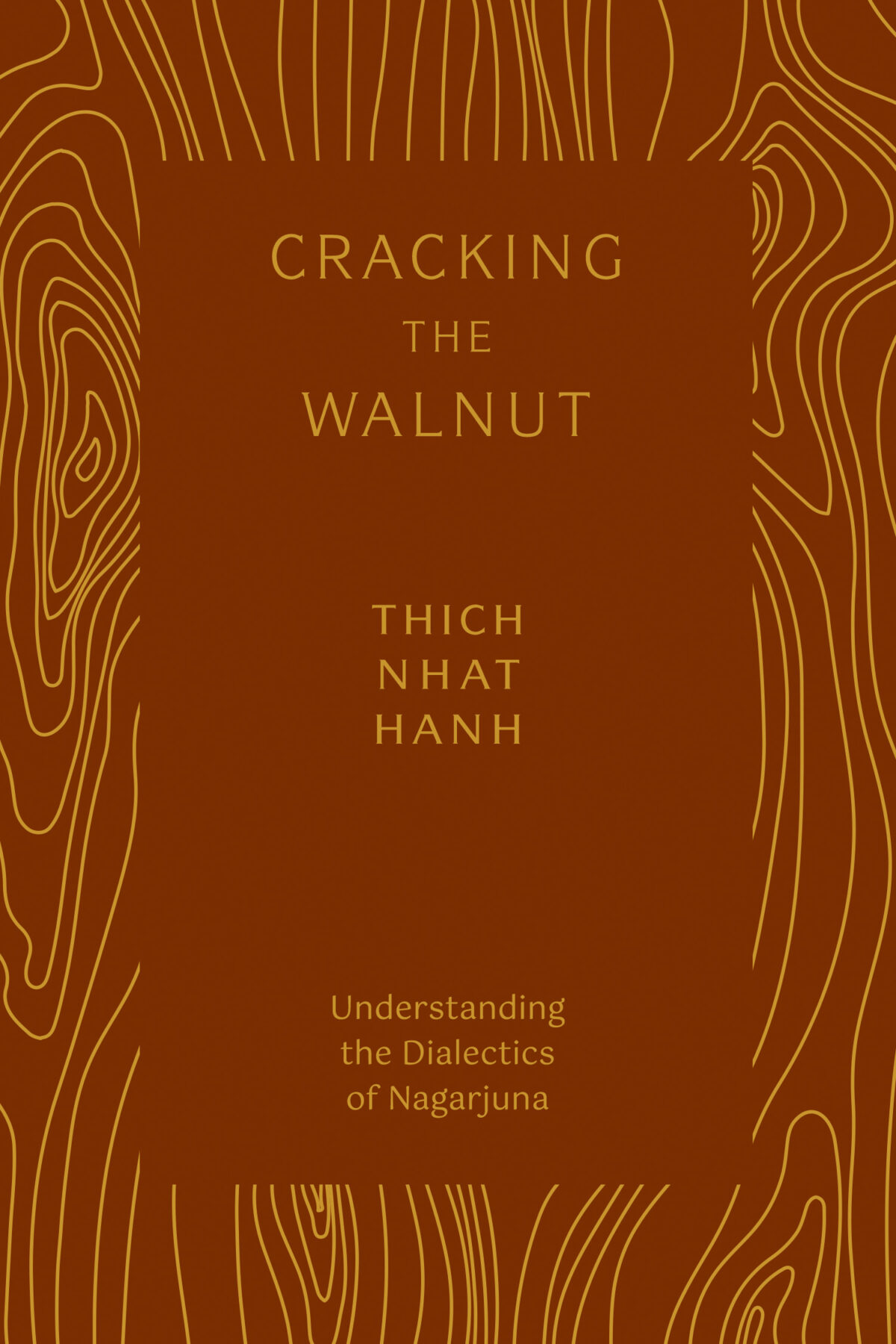
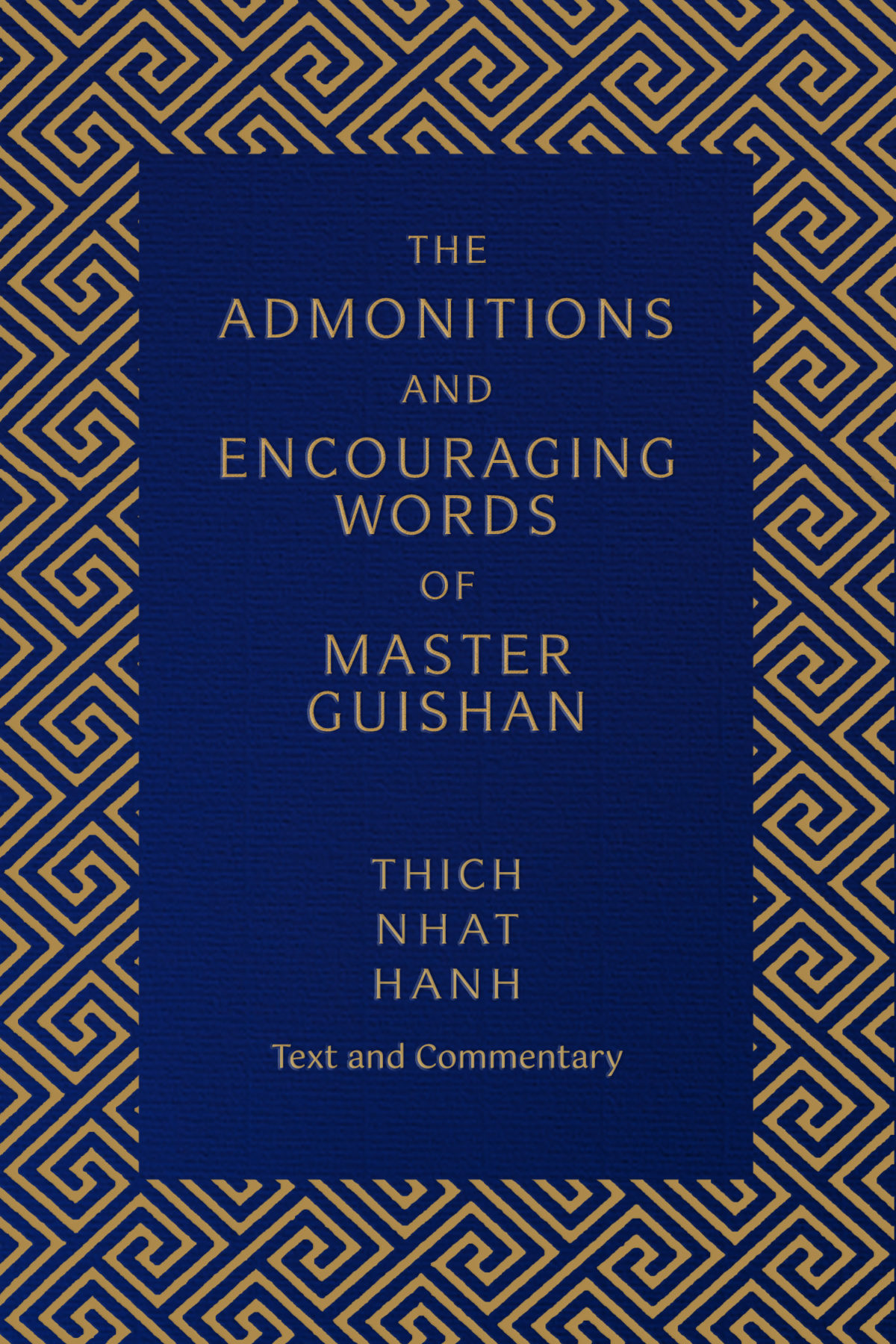
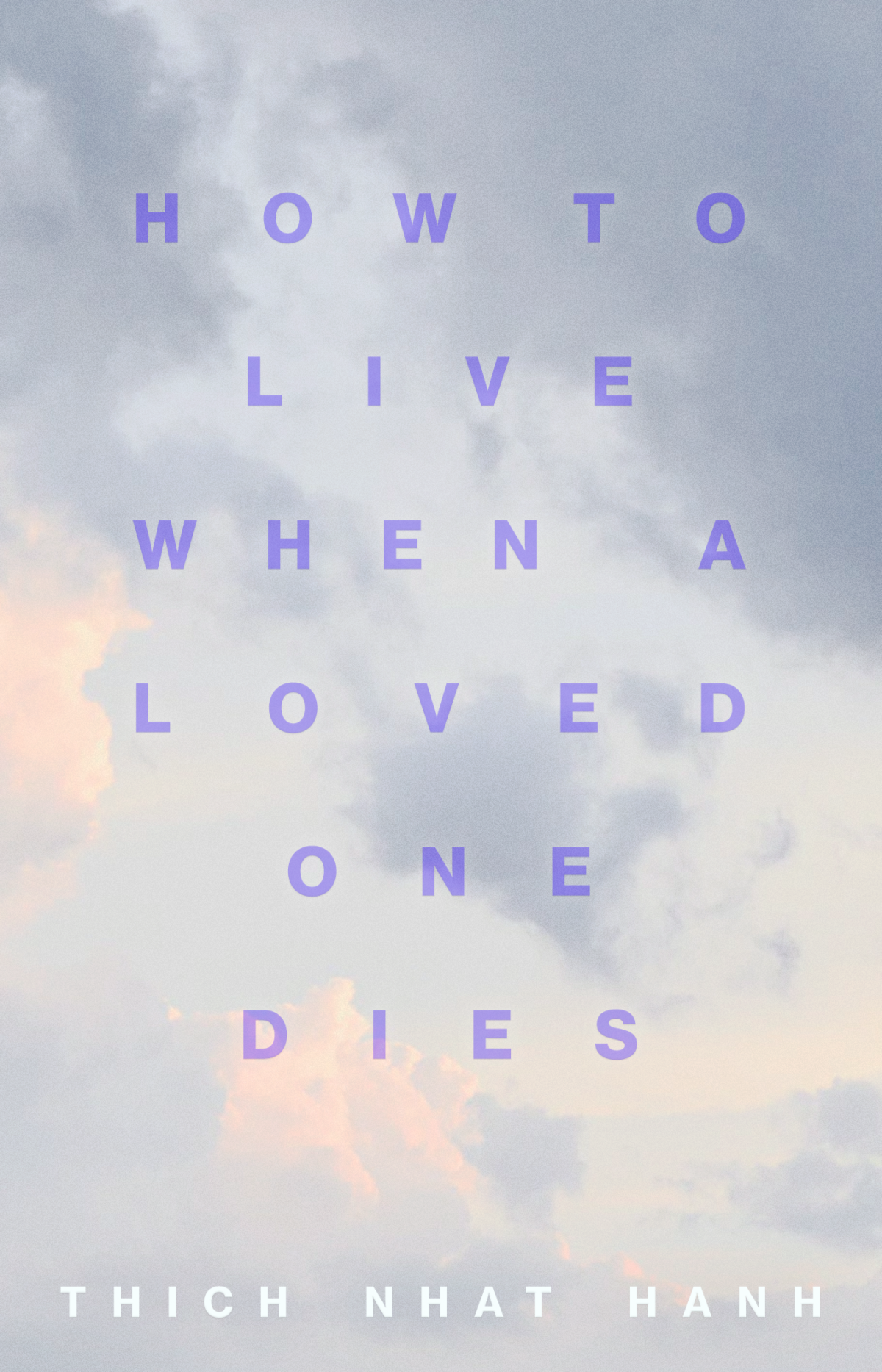
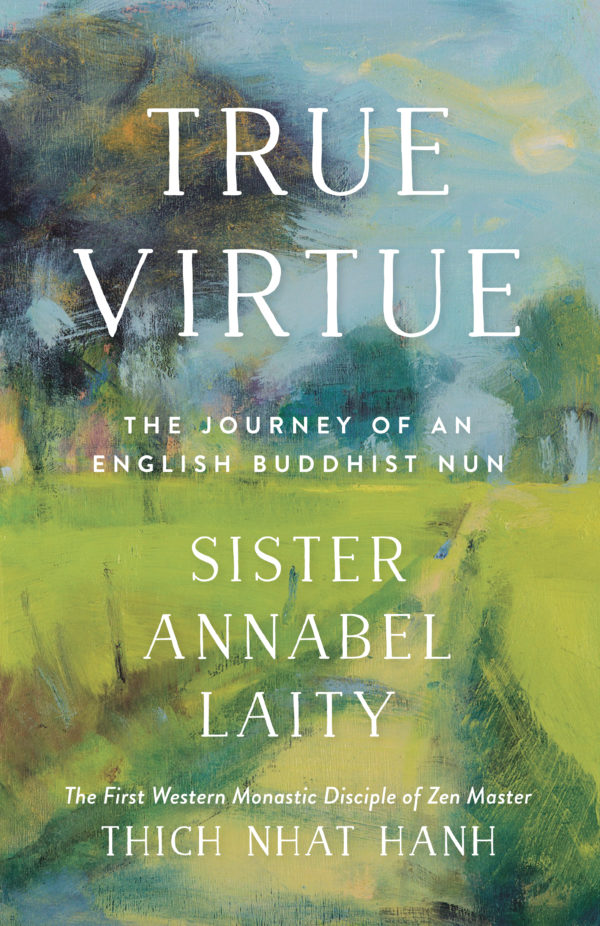
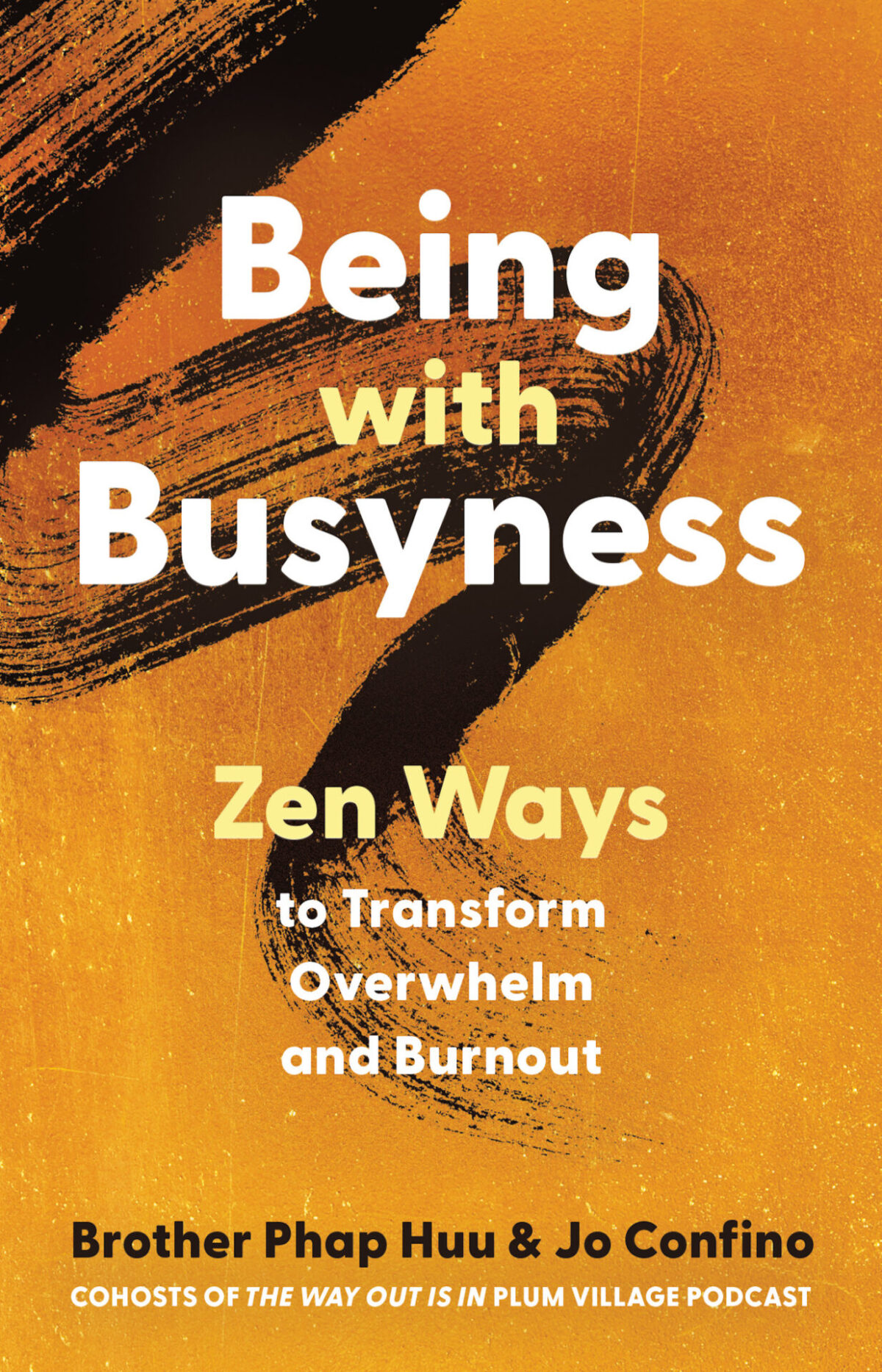
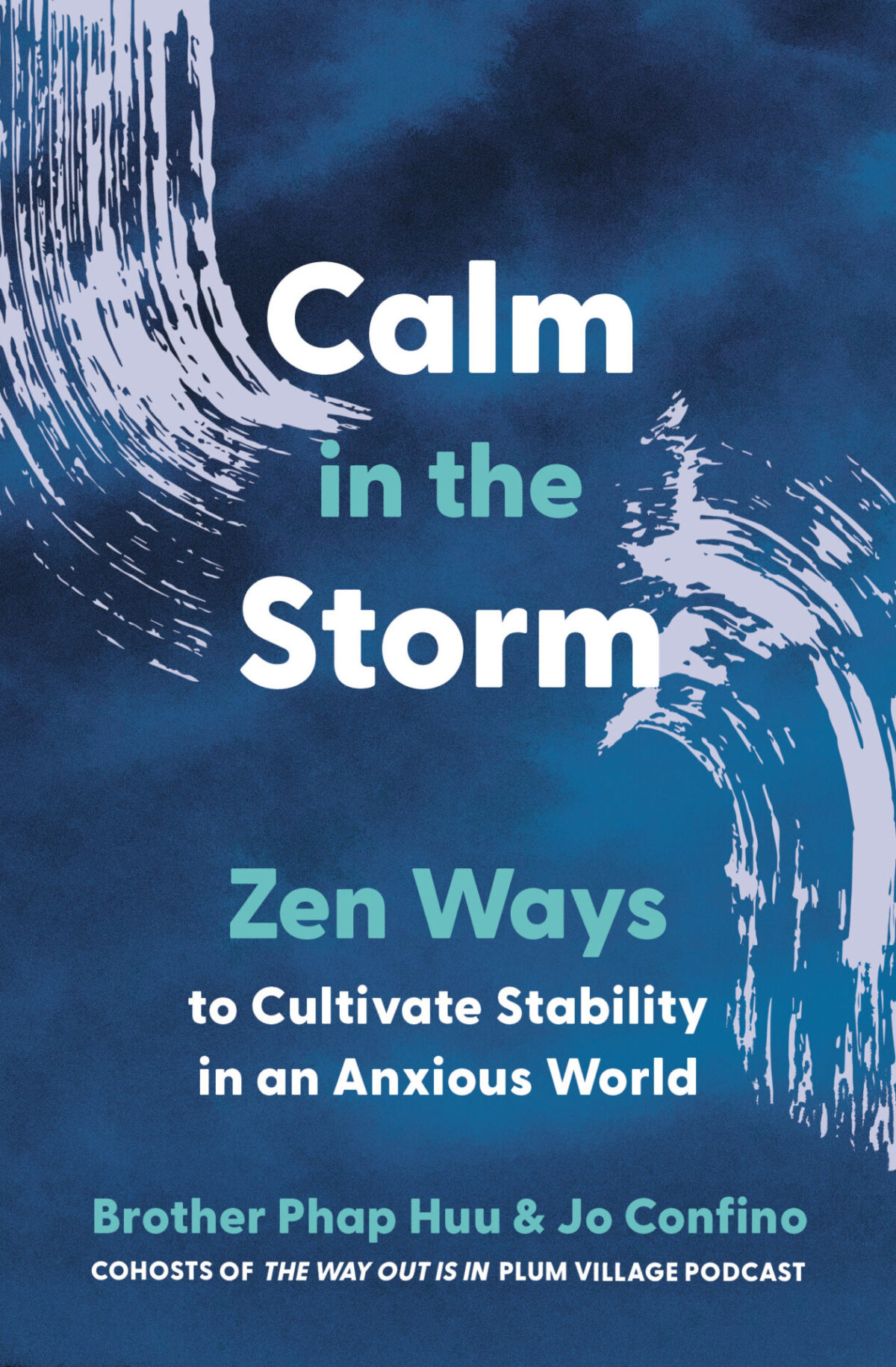

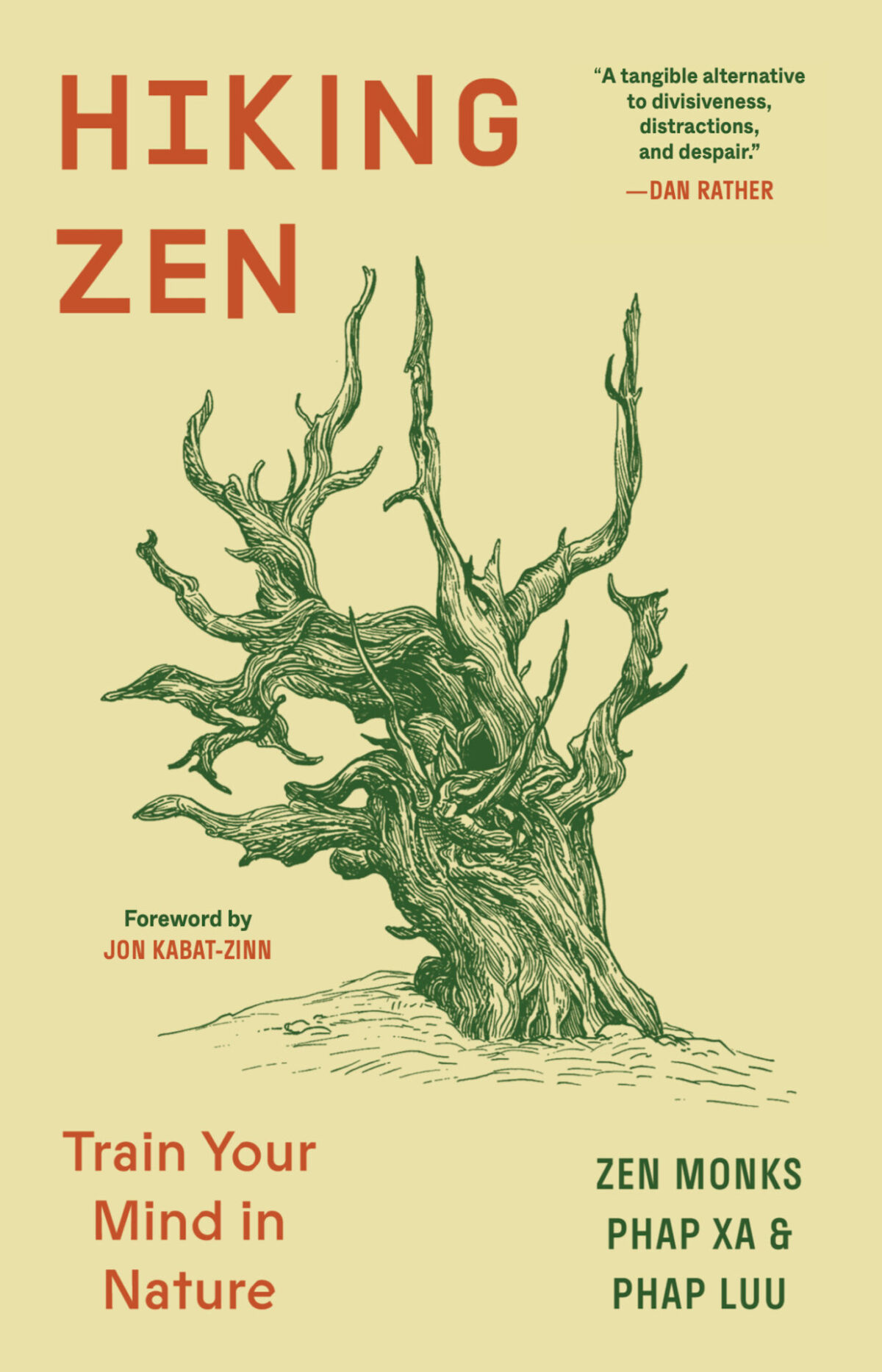
A New Era: At Home in the Monastery
I’m delighted to introduce our new publisher, Matthew Friberg, to lead Parallax in the next era. Matt ordained in the Order of Interbeing just before joining Parallax Press as our dedicated Plum Village senior editor four years ago, taking The Fourteen Mindfulness Trainings with his mentor, Dharma teacher and Parallax author Richard Brady. With a professional background in academic publishing, Matt brings an insightful presence to the role of publisher. I can’t wait to see the beautiful books that will emerge with his guidance and support. In an increasingly polarized landscape for the exchange of ideas, books and reading culture have become a refuge for people wishing to share deep aspirations and nuanced storytelling, those wishing to turn off the domination of the screen and the algorithm, especially among young people of Matt’s generation.

As we complete the first quarter of the twenty-first century, we are halfway to the top of the hill of the century that Thay envisioned. Climbing this hill together already brings great joy. As a microcosm of our society, Parallax has collectively gone through so much since we began in 1986, and the times we’re living in call for a new way of living and working, centered in our values of peace and collective awakening. During the global pandemic, when the whole world went quiet, we began working from home, and we decided to have a 100 percent remote office. Unlike many other workplaces, we aren’t going back to how things were, with punishing commutes and the pressure of fitting life in around one’s work. Instead, we’re coming full circle and moving forward at once. We’ll continue to work from our kitchen tables (or home offices as the case may be) and also take refuge in the sangha and build more time together in person. This year, our ruby anniversary, with the monastics’ blessing, we are building a mobile “tiny office” at Deer Park Monastery in a hidden valley in the mountains near San Diego, so staff can spend significant time in the community and go deeper into publishing from the heart, with all the opportunities to practice that arise when living in a monastery. For our golden anniversary in 2036, who knows how the view will open up around books and the Dharma? Let’s envision it will be even easier for a young person to open the pages of a book and enter the stream.

1 Arnie Kotler, “Letting Go of My Father,” Inquiring Mind, Spring 2007 Vol 23 No. 2., Sati Center for Buddhist Studies, Redwood City, Calif.