Plum Village Practices and the Renewal of My Catholic Prayer Life
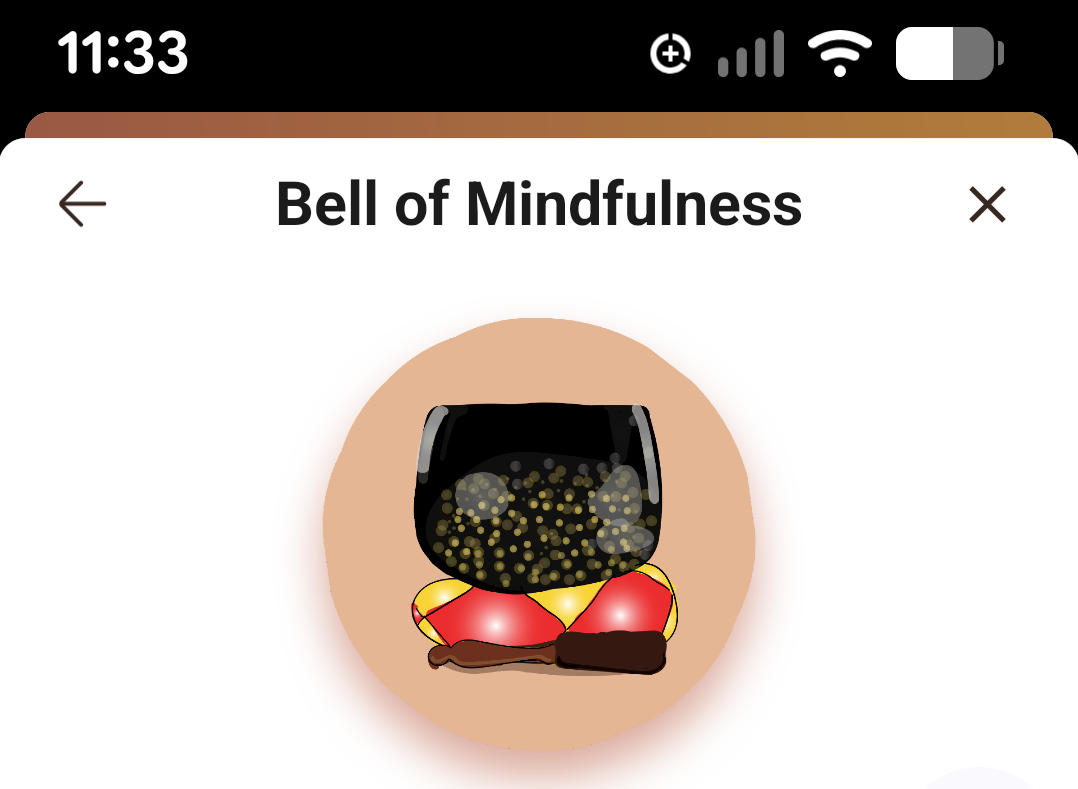
The Plum Village bell chimed softly at 2:47 p.m., just as I stood over a student’s desk, commenting on his confusion over an assignment, my voice sharper than I wished. My throat felt tight, heat rose in my cheeks, and my hands gripped the table’s edge. The gentle sound cut through like a quiet invitation. I paused, took three slow breaths, and the knot began to loosen.
Plum Village Practices and the Renewal of My Catholic Prayer Life
The Plum Village bell chimed softly at 2:47 p.m., just as I stood over a student’s desk, commenting on his confusion over an assignment, my voice sharper than I wished. My throat felt tight, heat rose in my cheeks, and my hands gripped the table’s edge. The gentle sound cut through like a quiet invitation. I paused, took three slow breaths, and the knot began to loosen. I knelt beside the boy, asked what was really troubling him, and truly listened. That small chime—a bell timer on my phone from the Plum Village app—has become a frequent, merciful interruption.
I am a lifelong Catholic, formed by daily Mass, the Rosary, and the rhythms of the Church year. Yet for a time, after my mother’s death and years of teaching burnout, my prayers felt like lines recited over an inner storm. Words rose to God, but presence did not. At a Catholic retreat, the leader introduced a simple practice from Thích Nhất Hạnh’s Plum Village community: returning to the breath to come home to the present moment. It echoed the quiet attention I already knew from Ignatian contemplation. Curious, I began weaving these gentle tools into my prayer life—not as replacements for the sacraments or Scripture, but as ways to meet them more awake.
Conscious breathing has become my quiet bridge. In the raw weeks after my mother died, grief came in waves too heavy to push away. Some evenings I sat with my rosary, tears falling freely. Instead of fighting the sorrow, I let my breath hold it gently, like cradling a crying child. Breathing in, I felt the ache deep in my chest; breathing out, I let it rest there. The pain did not vanish, but it softened, making room for consolation. In that opened space I sensed Christ beside me, the One who wept with Mary and Martha, sharing my tears.
The mindfulness bell keeps teaching me to pause. That afternoon in class, the physical tension was real—jaw clenched, palms damp. Three breaths later, kindness surfaced. The next day I apologized to the student; he apologized, too. After that, he began raising his hand more often, and small moments of trust grew between us. Even at home, the bell is not always welcome. One morning it sounded mid-argument with my husband, and I felt only irritation at the “interruption.” Later, I smiled at myself: the bell does not erase conflict; it simply offers a doorway. Walking through it is my choice.
Walking meditation has rooted my discernment in body and earth. When I was questioning whether to leave teaching after fifteen years, I took slow walks around my neighborhood, whispering with each step, “Thy will be done.” One cold November morning, leaves crunching beneath my feet, I felt my shoulders drop by the third block. I was no longer clutching the future. The ground held me steadily. I stayed in the classroom, not out of resignation but renewed purpose.
Gathas—short verses for daily tasks—turn ordinary moments into prayer. Washing the dishes: “Water flows over these hands; may they serve as Christ served.” Sitting by my mother’s hospital bed in her final days: “Breathing in, I am fully here with you; breathing out, I hold you in love.” Those quiet words carried me when longer prayers felt out of reach.
Loving speech has changed my marriage most tangibly. One tired evening I started to criticize my husband sharply. Mid-sentence I paused, breathed, and tried another way: “Darling, I’m suffering right now—I feel overwhelmed and need your help to understand.” He stopped, listened, and reached for my hand. Small careful words now open space for forgiveness and laughter to return more quickly.
A few parishioners and I now meet monthly to walk mindfully around the church grounds, then share briefly how these simple tools nourish our faith. One friend laughs and calls it “the Rosary with our feet.” In those gatherings, I touch the truth of our lives’ deep connectedness—how my peace supports theirs and theirs supports mine.
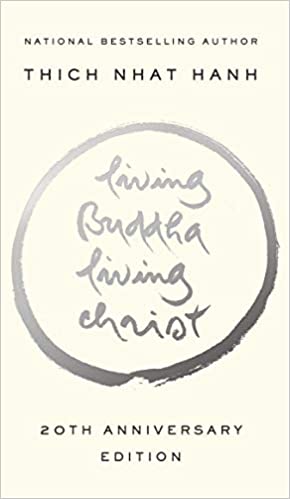
These Plum Village practices live comfortably within my Catholic faith. They do not replace the Eucharist, Confession, or Lectio Divina; they help me bring a quieter heart to them. My belief remains firmly in the Trinity, the Resurrection, and the communion of saints. The breath and the bell simply clear the way.
Last Sunday, as I received Communion, I breathed once—deeply—while holding the Host. In that exhale I felt the bell’s gentle call, the earth beneath my feet, enduring love for my mother, and Christ’s living presence all at once. Plum Village has not given me a new faith. It has helped me live the one I have always cherished—awake, embodied, and open to grace in every ordinary moment.