Dharma teacher Richard Brady offers stories about how Thầy’s teachings and presence helped him experience deep connection and the feeling of being truly seen.
Seeing and Being Seen
I began to experience a personal relationship with Thầy during his Plum Village retreat in June 1992, when I encountered his deep teachings. In case I had any doubt, Thầy began his first Dharma talk requesting that we not take notes. “If you take notes,” he told us,
Dharma teacher Richard Brady offers stories about how Thầy’s teachings and presence helped him experience deep connection and the feeling of being truly seen.
Seeing and Being Seen
I began to experience a personal relationship with Thầy during his Plum Village retreat in June 1992, when I encountered his deep teachings. In case I had any doubt, Thầy began his first Dharma talk requesting that we not take notes. “If you take notes,” he told us, “you’ll be receiving the teachings at the intellectual level, not the energetic level.” He continued, “Falling asleep will not be a problem. You’ll still get the benefit of the teaching, just as you benefit from a massage you receive while you’re asleep.” Sometimes it seemed as though we inhaled Thầy’s teaching like oxygen, many of us feeling Thầy was addressing us personally.
At the end of this first talk, Thầy introduced walking meditation. “Some of you, new to walking meditation, may see others walking with ease and feel inadequate. Realize that those people are walking for you. Their mindful steps will support your own in the same way yours support those of others.” I felt grateful to Thầy for this introduction to interbeing.
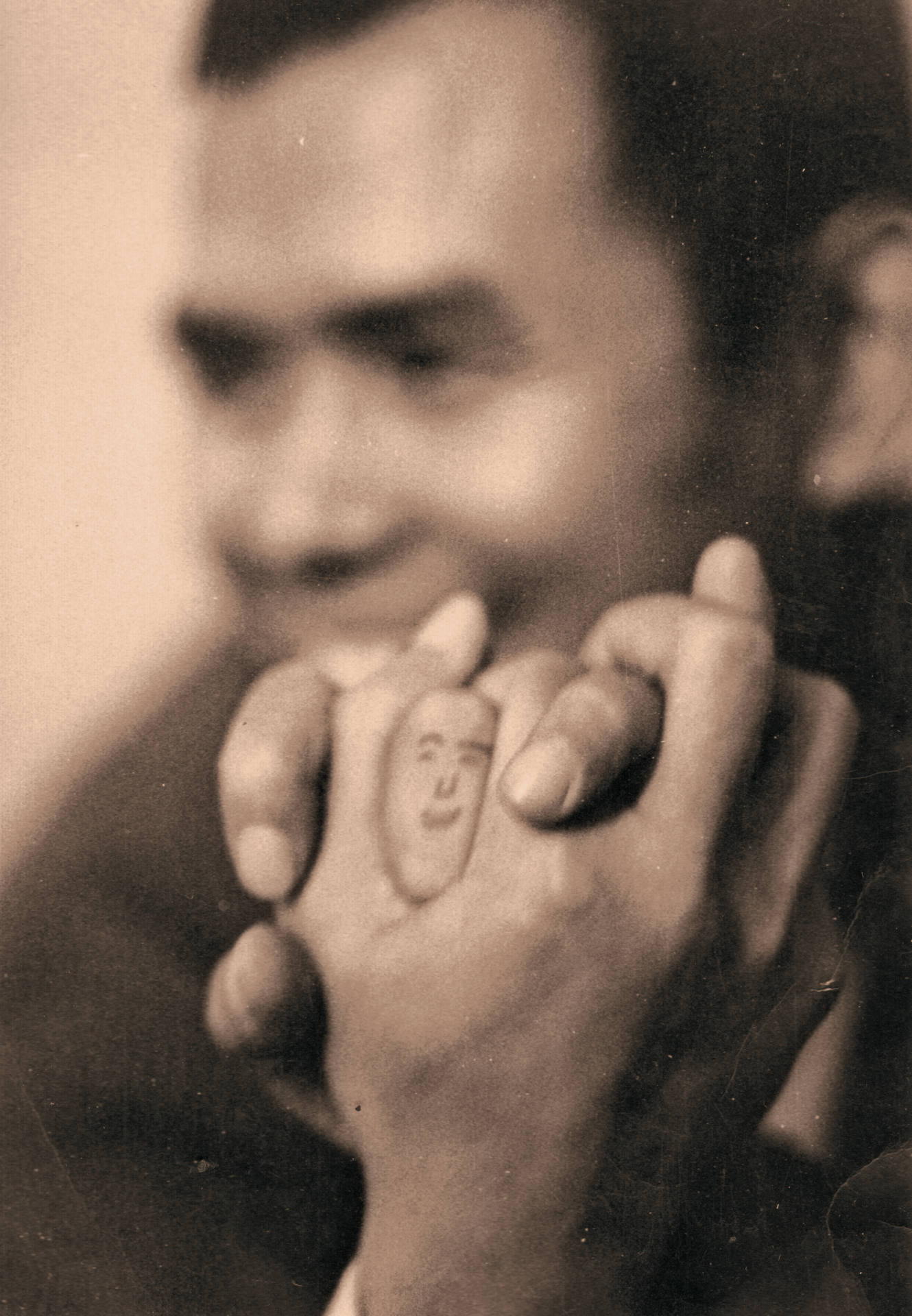
We usually practiced walking meditation for an hour. Halfway through, we’d stop to do mindful movements or sit and meditate. Once, after stopping, our guide asked us to look closely at one of our hands. “This hand has been with you for your entire life. Your life is embodied in it.” Asking us to pair up with someone standing nearby, our guide continued, “Each of you, in turn, please offer one of your hands for your partner to hold for three minutes, feeling the life it has to share.” With great respect, my partner and I shared our lives in silence, then bowed to each other. During this, my first retreat at Plum Village, I had experienced new levels of connection with others that would deepen my connection with myself as well.
Tears
Growing up in a caring family where love was expressed on birthday cards and with presents—and negative emotions were, according to my mother, “not helpful”—it wasn’t surprising that I was not connected to my emotions. When my brother Bob incurred brain damage at the age of twenty-one following a sixty-day fast, our parents focused on his care and healing. There was no place for grief. Twenty-five years later, that changed when I returned to Plum Village. As new, second-week arrivals attended an orientation, three of us who stayed on for a second week sat together in the cool evening air for Dharma sharing. Both of the other men shared stories of their brother and sister-in-law’s tragic deaths. We were in tears long before I shared Bob’s story. Then we sat in silence, holding our shared grief. Through our tears, we contacted a truth beyond suffering. From Thầy’s teachings, we knew how to embrace and cradle our pain as we would a crying infant. Whatever liberation we might find through our practice, we would share with the next generation. We were in Plum Village, home to scores of joyful monks and nuns, many of them Vietnamese refugees who had experienced trauma in their young lives. Thầy had taught them how to water the seeds of joy and how to embrace their distress. In the depth of our connection with the monastics and with each other, in the throes of anguish, we too found joy.
Causes and conditions supporting strong emotional experiences seemed to grow with each visit to Plum Village. In 1996, I enjoyed two weeks of the summer retreat at the recently opened New Hamlet, located near Thầy’s hermitage. Because of the proximity to his primary dwelling, it was not uncommon for him to join the community for meditation and meals. One bright morning as I walked into the library, Thầy entered the opposite door. He was almost always accompanied by an attendant, but that morning he was alone and heading toward me. My heart pounding, I smiled, breathed deeply, bowed—then said, “Your teaching has benefited me so much, Thầy. Would it be all right to do hugging meditation?” He nodded. We bowed. The longest three breaths of my life followed as we hugged. We parted, bowed again, and Thầy departed. I returned to my room, lay down on my bed, and sobbed.
In 2001, Thầy’s invitation for me to become a Dharma teacher was unsettling. I thought Dharma teachers were expected to offer Dharma talks, Days of Mindfulness, retreats, ceremonies, etc. My volition—to share mindfulness with students and teachers—had become clear, and this didn’t fit. I briefly considered trying to contact Thầy to tell him he’d made a mistake. After much uneasiness, the insight gatha I was to offer to the ancestors in my transmission ceremony came to me in my sleep:
This freedom – not freedom from,
     from childhood habits,
     from childhood fears;
     not freedom to,
     to open to the love enfolding me,
     to know and live my truth.

This freedom – freedom with,
     with habits, with fears,
     with heart protected,
     truth hidden deep inside.

This freedom – freedom with this moment,
     just as it is.
It’s only now, many years later, that I see that this gatha, instructing me to relax, was inspired by Thầy. After he offered me the following gatha in return, I might have realized it then.
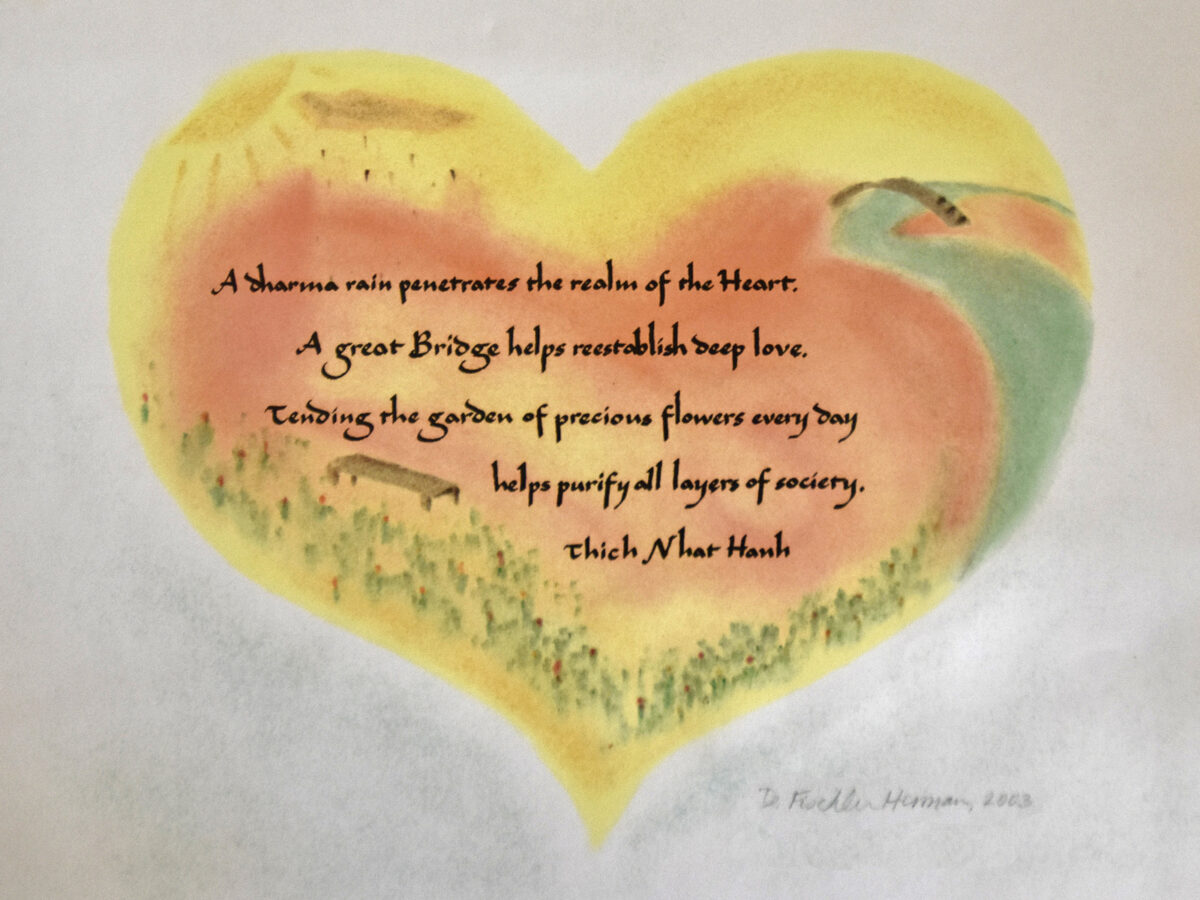
A Dharma rain penetrates the realm of the heart.
A great Bridge helps reestablish deep love.
Tending the precious flowers every day
helps purify all layers of society.
Dharma Bridge, the Dharma name Thầy gave me in 1992 when I joined the Order of Interbeing, appears in the first lines of the poem. I’d come to understand this name as confirmation of my calling to share the Dharma in educational settings. After reading his gatha to me, Thầy explained that the “precious flowers” were my students. Thầy had truly seen me. Moved by his understanding, I wept.
Continuation
In October 2014, Thầy suffered a massive stroke. After months in a Bordeaux hospital, he was transferred to San Francisco for further treatment. My partner Elisabeth and I had planned a family vacation in California over Christmas. A few weeks before we left, a Dharma teacher friend wrote to say she’d recently visited Thầy. He was working hard on recovery and welcomed visits from old students. I contacted Brother Pháp Linh, the monk coordinating Thầy’s schedule, and arranged for Elisabeth and me to visit my heart teacher.
Our friend Terry Barber generously drove us to a beautiful home in San Francisco placed at Thầy’s disposal. As fate would have it, we were the only visitors. We were invited to wait in a large parlor and were soon joined by Sister Chân Không. She described Thầy’s daily life, his therapy, and his progress. Soon a monastic came in and invited us to join Thầy for lunch. We found him in his wheelchair about to be wheeled to his place at the table. A number of monastic attendants were with him.
When I’d last seen Thầy in June, his energy overflowed. He seemed to dance above the floor as he moved between his cushion and the whiteboard to show us the relationship between mindfulness, concentration, and insight with a Venn diagram. I stood before him now, so physically diminished, collected myself, bowed, and looked into his eyes, into the depths of my beloved teacher. I could feel his life, his experience, all his good work, and his challenges conveyed in his silent gaze. I sat down next to him and did my best to eat in mindfulness. When Elisabeth shared later that as Thầy ate, he repeatedly looked over at me, I overflowed with gratitude and love.
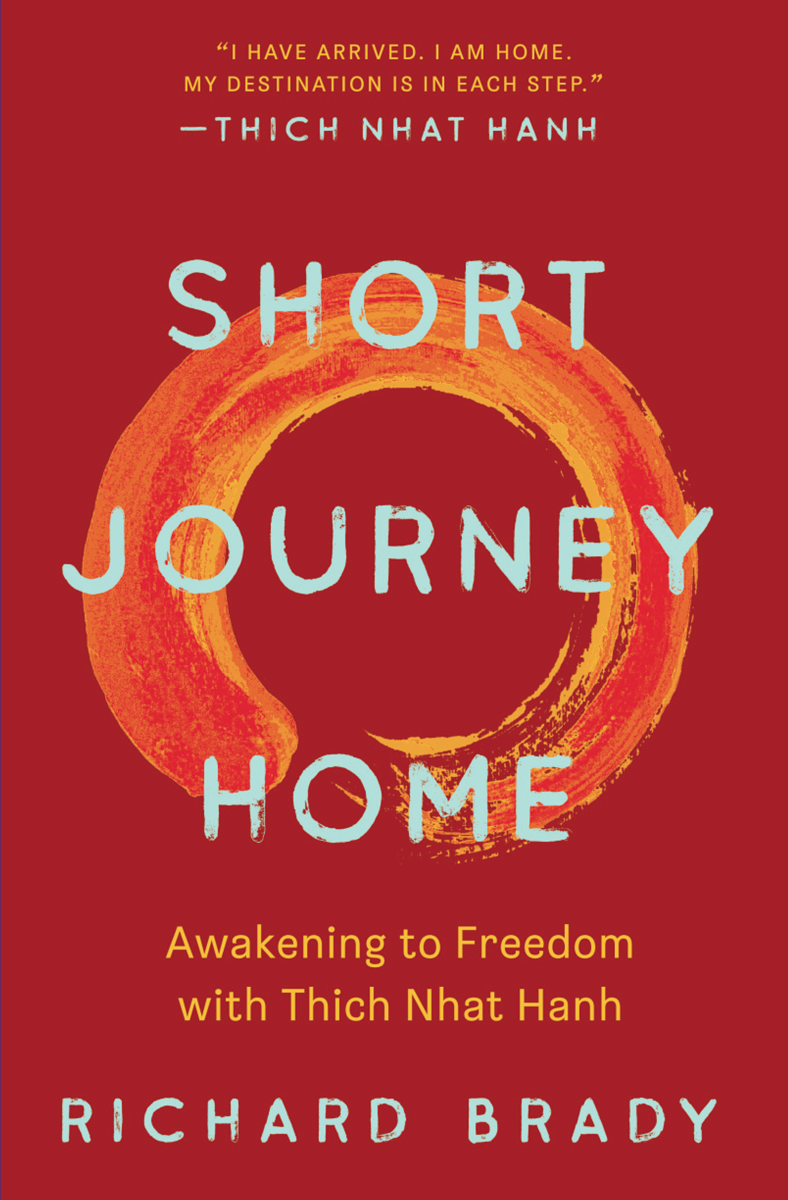
This article is based on materials from Richard’s book, Short Journey Home: Awakening to Freedom with Thich Nhat Hanh.