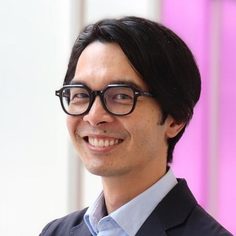
Dzung Vo explores his Vietnamese roots and receives a deep teaching from Thích Nhất Hạnh.
My journey to find my teacher began before I was born.
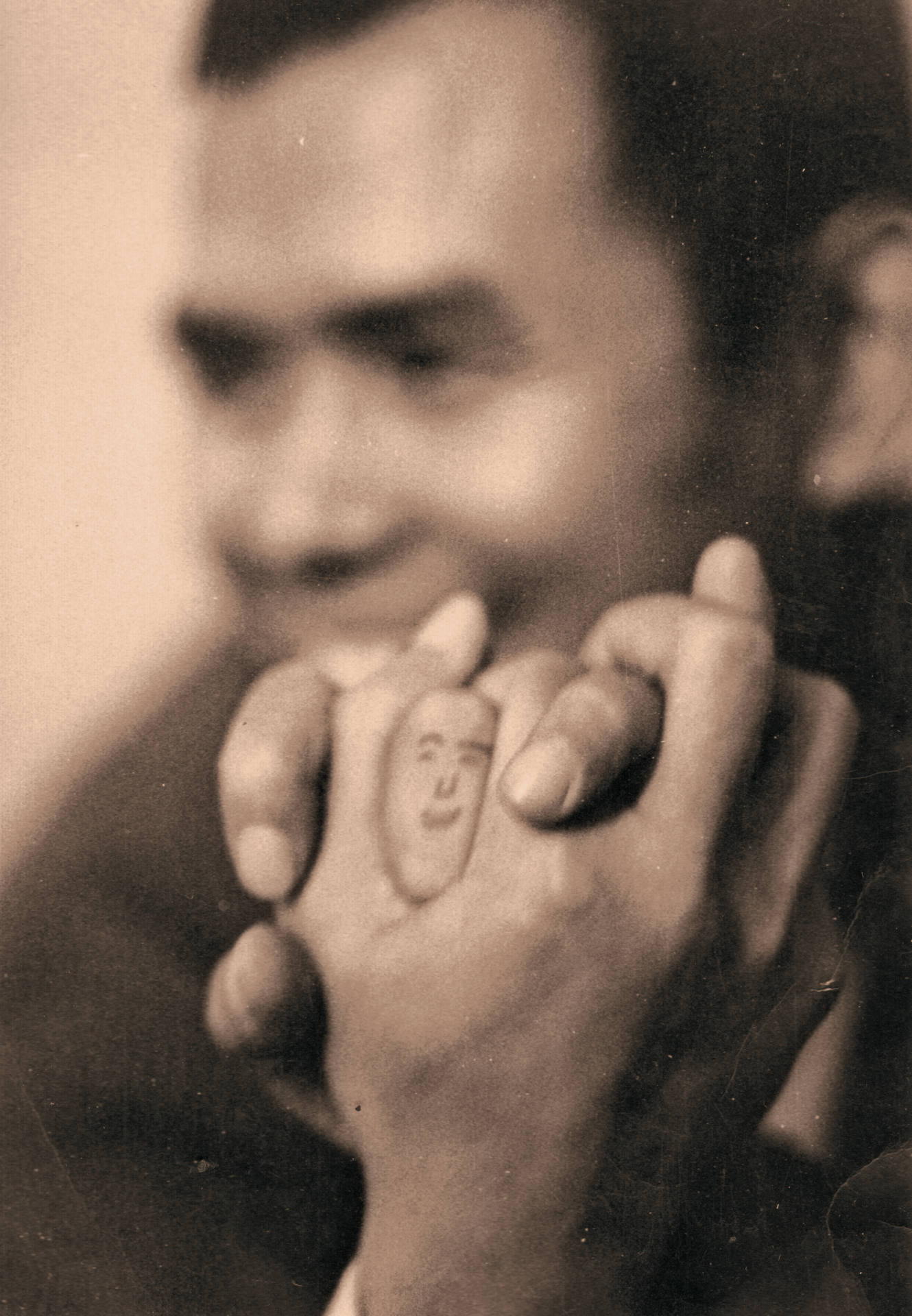
My father, Võ Xuân Hân, born in 1939, was from a Buddhist family going back many generations from the Huế region in Central Việt Nam. My mother, Dô Ý Ngọc, grew up in Saigon in a northern Vietnamese family. As a child, I heard stories about Huế as the ancient spiritual capital of Việt Nam,
Dzung Vo explores his Vietnamese roots and receives a deep teaching from Thích Nhất Hạnh.
My journey to find my teacher began before I was born.
My father, Võ Xuân Hân, born in 1939, was from a Buddhist family going back many generations from the Huế region in Central Việt Nam. My mother, Dô Ý Ngọc, grew up in Saigon in a northern Vietnamese family. As a child, I heard stories about Huế as the ancient spiritual capital of Việt Nam, a place steeped in centuries of Buddhism and Dharma. I heard so many stories about Bà Nội, my paternal grandmother, that she became larger than life in my child’s mind, though I never met her in human form. One of these Bà stories was that whenever she had a few pennies, she would go to the market to purchase birds in cages and then release them to be free. That was one of my first lessons in the living work of the bodhisattva of compassion, Quan Âm, whom Bà venerated deeply.
Just as I am a child of Việt Nam, I am also a child of the United States—specifically, of North Carolina, home of the former confederacy and founded on enslavement and racism. I grew up in a mostly white suburb. My parents tried to teach me the beauty of Vietnamese culture and Buddhism. They brought me to Chùa Liên Hoa, the Vietnamese Buddhist temple they helped co-found in Charlotte, North Carolina. But having been bullied for the way my eyes looked and how my family’s food smelled, it was difficult for me to feel proud of anything that made me feel different, “other.” Though I came to identify this as white supremacy and internalized racism many years later, I didn’t know those words at the time.
As a young adult beginning my healing journey, I felt a renewed curiosity about a Buddhist monk my parents had told me about when I was growing up. His name was Thích Nhất Hạnh (they called him Thầy, which means teacher in Vietnamese), and he was not yet well known in the West. Thầy spoke and wrote in English as well as Vietnamese, and my parents hoped this would help me relate to the teachings.
My parents told me that during the American War in Việt Nam in the 1960s, Thầy and his colleagues in the Buddhist movement (which my father was also a part of) had brought Buddhism alive to work for peace. I fancied myself a young peace activist, and I became very intrigued by this idea of Engaged Buddhism, especially since the American War had so much to do with my own family story.
Around that time, while I was studying at Brown University in the mid 1990s, I had the good fortune to study with Mark Unno, a professor of Buddhist studies and a Japanese American Shin Buddhist priest. Professor Unno hosted lively, small-group seminars where we would discuss Buddhist masters of the past and the present, including Masters Dogen and Thích Nhất Hạnh. I began reading Thầy’s books and even wrote a paper imagining a conversation between Thầy and Dogen. Motivated by the time I spent learning from Professor Unno’s brilliant scholarship and his inspiring embodiment of peace and lightness, I began seeking out my own practice and teachers.
In 1999, wanting to travel to celebrate my college graduation, I recalled reading about Plum Village, Thầy’s meditation center in France. When I told my parents I hoped to go there and experience it for myself, my dad’s reaction was as immediate as it was surprising: “Great idea! I’m going with you!”
My father and I met in Plum Village in 1999 for the summer retreat, and we stayed for three weeks. I found it to be a profound and transformative experience. I remember the first time I saw Thầy enter the meditation hall. There was no fanfare, no grand announcement. He walked in slowly, mindfully, and quietly in his everyday brown robe and jacket, accompanied by a single attendant. Despite the humility and simplicity of his entrance, his presence swept the room like a breeze. Something happened in me that I cannot explain to this day. I felt my heart opening, something touched deeply in my very core, and I knew I had found my teacher.
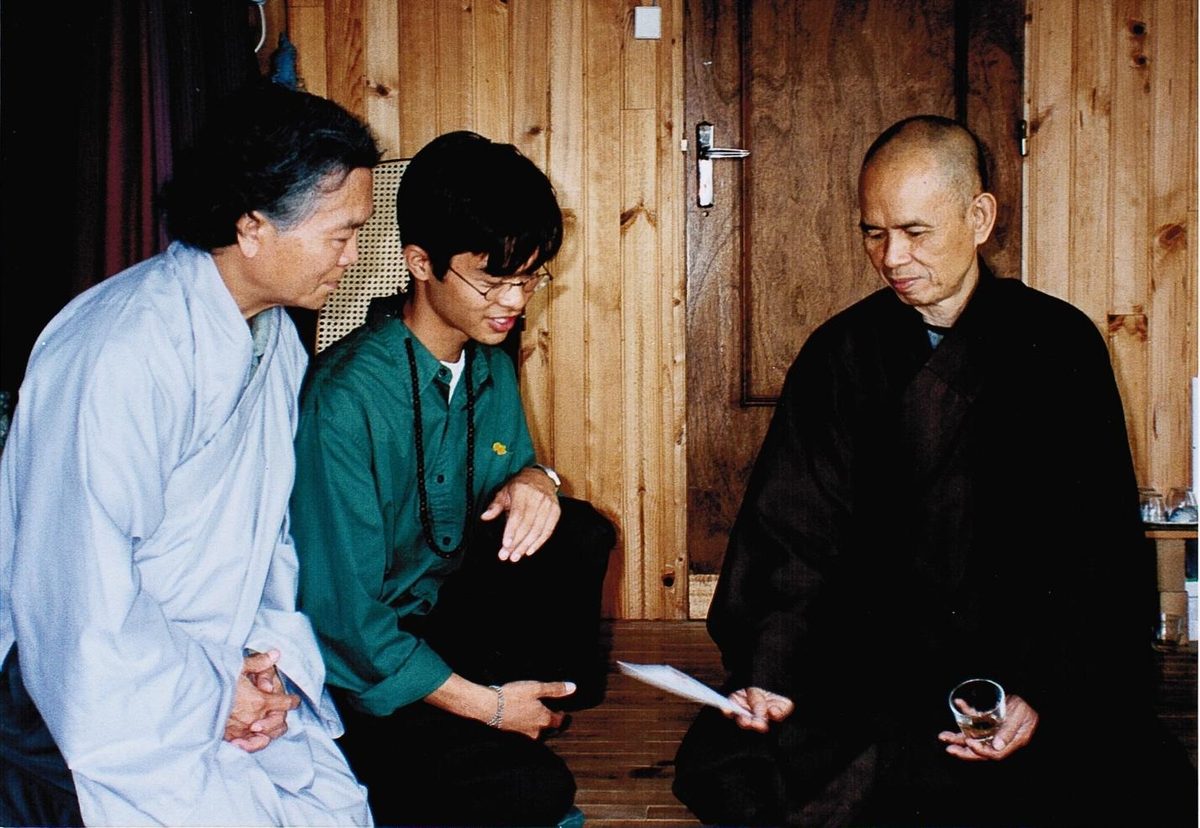
A few days later, my father and I had an opportunity to meet Thầy in his hut. I remember Thầy’s kindness and generosity as he served us tea and humored me by pretending to be interested in the paper I had written about him in Professor Unno’s class. To my surprise, he was not very interested in talking about mindfulness or Dharma. Mostly, he wanted to talk about my Vietnamese roots. He knew that I, and many other Việt Kiều (overseas Vietnamese) of my generation, had been painfully disconnected from our roots and spoke about how important it was for me to reconnect with both blood ancestors and spiritual lineage.
We also spent time simply enjoying the view, looking out over the summer countryside of southern France from Thầy’s porch together. Thầy joked that his view was “better than TV.” We did not need to talk the whole time, nor did we need to do formal “meditation.” Just being quiet together, the quality of our presence was more important than any words we might exchange in conversation—a profound lesson I would try to learn over and over again in the decades to come.
Leaving Plum Village that summer was hard. I had recently decided to pursue a medical career, but I felt deeply ambivalent about it. Part of me wanted to stay in Plum Village, shave my head, and wear robes. What Thầy showed me—with his words, but more importantly, his quality of being—was that mindfulness was more than just an idea or a philosophy I had written about for an academic paper. It was a living path I could walk in my everyday life. I decided that instead of donning robes, I would do my best to walk this path in the lay life of suffering and pain I would soon be swimming in as a physician.
Today, over twenty-five years later, I am still working to bring my spiritual practice and my medical practice together, doing my best to live “one life.” Reconnecting with my roots has become a lifelong practice; the teaching I received in Thầy’s hut watered a seed in my heart that I was just starting to recognize would need ongoing care and love. On my best days (certainly not every day, or maybe not even most days!), I imagine myself as a “monk in disguise,” walking the halls of the hospital as a doctor while also embodying the qualities of a Zen monk and the boundless compassion of Quan Âm. My encounters with Thầy showed me this is possible in this human life.