an excerpt from 12-Step Zen: Pathways of Recovery
I came to meditation like I came to drugs—looking for a fix. I wanted peace and craved enlightenment. In time, the practice revealed that what I was seeking wasn’t outside of me. It was my original nature, already here. I began to see the difference between setting a clear intention and chasing an expectation. An intention is aligned with our values; an expectation clings to a particular outcome.
an excerpt from 12-Step Zen: Pathways of Recovery
I came to meditation like I came to drugs—looking for a fix. I wanted peace and craved enlightenment. In time, the practice revealed that what I was seeking wasn’t outside of me. It was my original nature, already here. I began to see the difference between setting a clear intention and chasing an expectation. An intention is aligned with our values; an expectation clings to a particular outcome. Intention and aspiration feel spacious; expectation and craving often feel tight.
Mindfulness is a remembering—a return to our original nature. We don’t sit to find peace; peace is already here. We are already enough. There is nothing to seek.
Even now, you might pause. Just for a moment. Notice what’s here: The breath. The body. The quiet conditions of peace are already present. You are likely clothed, sheltered, fed, and safe. These are already conditions for peace and happiness. If peace is available in this moment, you know another moment of peace is possible.
Mindfulness and the Second Step are coming home to a well-being that doesn’t depend on external conditions. The Buddha observed that the mind is always searching outside itself and never feels fulfilled. That sounds a lot like addiction. The searching mind is part of being human; mindfulness meditation is a shift from thought to awareness. In practice, this is a deep surrender. When the searching pauses, I come home to the present moment and rediscover the ground of being—spacious, steady, and at ease.
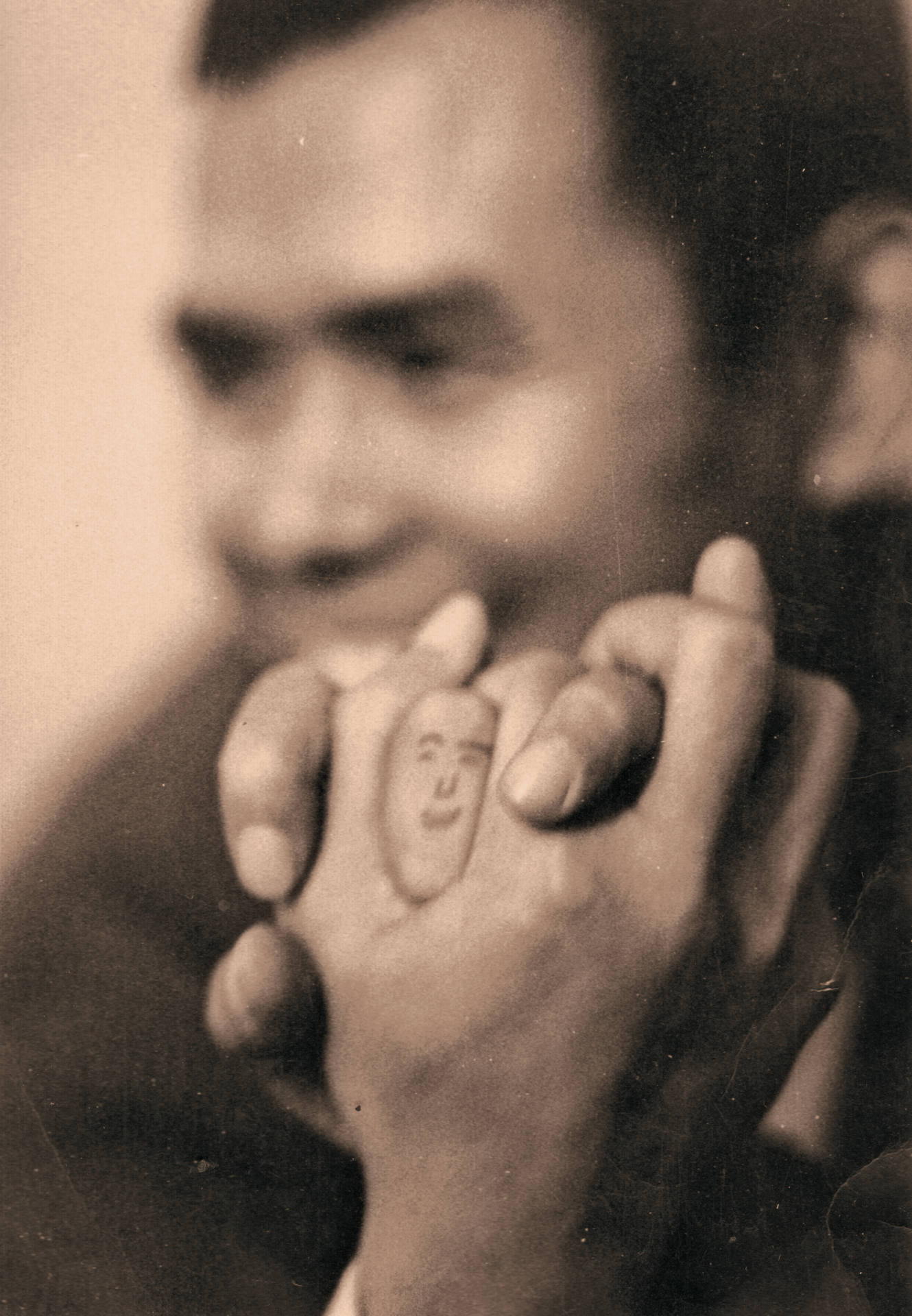
This resonates with my understanding of the Second Step. Mindfulness is always available; it is the essence of restoration. It meets suffering with gentle presence; like a hand cradling an injured finger it heals with kindness.
With mindfulness of the body and feelings, my attention becomes more refined. I can often recognize afflicted states as they arise, before they sweep me away. Caring for these states, there is nothing to fix. The steady presence of mindfulness soothes emotions and quiets the divisive mind that clings to a separate self and amplifies suffering.
It’s counterintuitive, but the parts of us that are hurt and fearful are the ones most in need of love. My initial response to pain or perceived threat is often fear, which quickly turns into anger. Stub a toe and watch what happens. Cursing and harsh self-talk add insult to injury. There’s a teaching that says when your house is on fire, it’s better to put out the fire than to chase after whoever lit it. A gentle touch brings more relief than blame.
Knowing how unkind I can be, even to myself, it was a revelation to discover that my true nature, my original nature, is love. This ran counter to a lifetime of stories I’d been telling myself. We don’t have to become loving; we return to love by recognizing and letting go of what isn’t.
After Siddhartha Gautama’s awakening under the bodhi tree, people began calling him the Buddha, meaning the awakened one. They could see it in his face, posture, and presence. The Buddha wondered whether awakening could be shared. He concluded that all beings possess this capacity. We call it Buddha nature—the capacity to awaken.
This can sound like something to attain, but Buddha nature is already within us. It is our original goodness, our teachability, our capacity to learn and to help one another. It’s one addict listening to another with compassion and care. It is the part of us that reaches out in pain, to soothe rather than punish. Awakened nature is recovery nature; it is the capacity for freedom from active addiction.
The insanity addressed in the Second Step is the belief that things should be different from the way they are. This includes inner states as well as people, places, and things. It’s a view rooted in self-obsession: what I want and how I think life ought to be. Accepting life as it is in this moment doesn’t make me a victim or a slave to circumstances. My freedom lies in how I engage and respond.
“I have arrived, I am home” is one of four Dharma seals that form the foundation of the Plum Village Tradition of Engaged Buddhism.* Stopping, releasing, and arriving is the heart of our practice. Home is here and now, wherever we are. When we stop running and arrive, the miracle and mystery of life are available.
Let’s make this real. You don’t have to take it on faith. Pause and see what’s here. Become aware of your body—sitting, standing, walking, or lying down. You are in contact with the earth and the sky. Your lungs breathe. Your heart beats, sustaining your life. Without effort, your body digests, nourishes, and releases. Your eyes see; your ears hear. Your mind receives, interprets, and makes meaning.
This astonishing constellation we call “me” is awake, aware.
Here and now, we are nourishing recovery and our awakening. There is wonder; there is mystery; there is awe.
You might pause and let Thay’s words accompany a few breaths:
I have arrived, I am home.
In the here and in the now.
I am solid, I am free
in the ultimate I dwell.
Stopping and arriving takes practice, but it can be done gently, with joy and ease.
* The other three are “Go as a river,” “The times and truths inter-are,” and “Ripening, moment by moment.”
This is an excerpt from 12 Step Zen: Pathways of Recovery, to be published by Parallax Press in September 2026. The book explores the Seven Factors of Awakening and the harmony of Plum Village Zen and the Twelve-Step path. This reflection explores the Second Step—“Came to believe that a Power greater than ourselves could restore us to sanity”—and what we might call our original nature.