By David Viafora on
Order of Interbeing member David Viafora offers a reflection from his book on creating harmony for true community.
One of the most powerful teachings I ever received on starting a new sangha and intentional community was at Dharma Gaia meditation center on the subtropical North Island of New Zealand, land of the Indigenous Māori people. During this leg of our community research tour,
By David Viafora on
Order of Interbeing member David Viafora offers a reflection from his book on creating harmony for true community.
One of the most powerful teachings I ever received on starting a new sangha and intentional community was at Dharma Gaia meditation center on the subtropical North Island of New Zealand, land of the Indigenous Māori people. During this leg of our community research tour, my then partner Vanessa Ixil Chavez and I traveled from the concrete streets of Athens, Greece, to this vegetal paradise of a retreat and residential mindfulness center that the Dharma Gaia community had steadily and simply built over fifteen years. After two weeks there, Vanessa and I had the opportunity to meet privately with the founding teacher, Sister Shalom, and her sangha cofounder, Anton Bank. I asked Sister Shalom, “We would love to hear the story of how you built this gorgeous retreat center and community—would you share with us?” Cutting through the surface and getting to the heart of the matter, Sister Shalom said in her casual yet fierce Zen way, “You want to know how we did it? We rolled up our sleeves and learned as we went. That’s how we built it.” It was simple, no-nonsense wisdom. My mind flashed images of her with a shovel or pitchfork working in the dirt and mud of Dharma Gaia’s wild forest, long before the gorgeous flower and vegetable gardens that are now flourishing. Initially though, I was disappointed by her brevity—I had been hoping for a long, dramatic portrayal of community spirit and challenges overcome (which she and Anton did eventually share with us). But when I began developing a new retreat center and sangha years later, the simple wisdom of her first response came back to me during many trying moments.

Feelings of doubt plagued my momentum during the first several months after moving to the land of the Catawba people in North Carolina. Who am I to start a mindfulness retreat center anyway? Maybe I’m not a strong enough practitioner and sangha leader to succeed here. People will see that we’re inexperienced impostors! I began questioning my decisions and leadership capacity, feeling afraid of failure and others’ judgments, and intimidated by my own shortcomings. Then I remembered flashes of Sister Shalom’s gestures as her hands rolled up her imaginary sleeves. “This is how we built it!” I started telling myself the same: Time to roll up my sleeves…. This is how we build it! This mantra gave me an inner push of confidence to believe in each step of the work, regardless of future results, and trust in the great experiment of sangha building, step by step, mistake by mistake, friend by friend, and moment by moment. Although I may have been disappointed if we didn’t succeed, I would never regret having offered my very best to this precious opportunity.
Building community is an act of trust that what we have to offer is already enough, that we are already enough, that our ancestors and their transmission are enough. Whether we are building a new retreat center, starting a new sangha, or initiating any community, we trust that our intentions to serve, learn, and grow alongside others are enough. We trust that our ancestors are there within us, supporting, guiding, and encouraging our every move toward our lost heritage of loving community. With such trust, fear no longer holds such a heavy burden on us. We know that we will fall down and fail hundreds, even thousands, of times; yet we will grow even stronger, rebound even higher, and experience more collective joy than before as well. As community builders, our greatest task is to simply show up, roll up our sleeves, and smile as we dig in together.
Harmony is the nature of the sangha
As we dig into the soil of community building, we discover one essential element that keeps a sangha alive and flourishing: harmony. It is the enduring theme that profoundly affects every other principle of community life, from visioning to friendships, silence to service, appreciation to joy, and racial healing to healthy boundaries. Harmony is the nature of the sangha. It is the lifeblood and heartbeat of community living. If you take only one message and practice for your community, may it be the power of harmony.
When I started visioning our sangha residential community and refugee service projects in Athens, Greece, I was worried that our sangha would face overwhelmingly stressful conditions given the severity of the refugee crisis. I needed support and had a chance to meet with Brother Pháp Hữu, the abbot of Plum Village Upper Hamlet. Brother Pháp Hữu was in his mid-thirties at the time, but he entered the monastery at just fourteen years old, so he was extremely experienced in sangha life. He served as Thầy’s personal attendant for over a decade before becoming the abbot in his late twenties. Brother Pháp Hữu has the heart and smile of a playful child, but his community leadership is something between a wise elder and a seasoned point guard, always supporting other community members to make good plays and become better players. (He is also actually a pretty great basketball player!)

I asked Pháp Hữu for his advice and encouragement to help make this challenging project a success. Without hesitation, he looked me in the eyes and said with a knowing smile, “It’s all about harmony—that’s the key. This is my experience. If your community is harmonious and joyful, you can do so much together, you can help so many people, you can do whatever you want. But without harmony, you got nothin’!”
I nodded and thought to myself, Yeah, we can organize morning meetings and everyone can discuss things together. As if reading my mind, Brother Pháp Hữu added, “But you don’t have to be super formal and strict about it—that can kill the joy.”
I heard about Brother Pháp Hữu’s harmonizing skills from many of the monks, young and old. My friend Chad, who entered monastic life for several years in Plum Village, explained, “Pháp Hữu has this amazing ability to help everyone in the sangha feel deeply heard and included. Sometimes you’re in a meeting and someone says something that everyone else just groans at—maybe it seems ridiculous or it’s just difficult to hear. Pháp Hữu will listen and pick out the one hidden gem of that brother’s sharing and reflect it back for the rest of the community to hear and appreciate. It brings the whole community together.” Harmony is not merely a state of mind; it is a practice of continually cultivating receptive attention and offering generous, appropriate support for ourselves and others.
I’ve tried to emulate Brother Pháp Hữu’s practice in community living, and I’ve often found it quite challenging, actually. It is so easy to get caught in my beliefs about what is right or what is best, which leads to small standoffs with others, even about minor decisions. This frame of mind doesn’t allow me to listen in ways that help me understand, validate, and support the diverse ideas, opinions, and needs that others bring to the table. I need to be reminded about what is most important to our community’s well-being—harmony. Does the sangha’s happiness depend more on whether my views are implemented or whether others feel heard and encouraged? This is the ancient dance of being right versus being happy.
Just this morning, a sangha board member who owns our property strongly requested that we keep a small couch in the meditation hall for him to sit on whenever he came. When I heard his staunch opinion, I was ready to go toe to toe with him to make sure we maintained the correct and best environment in our meditation hall, which in my opinion doesn’t include couches. As the programming lead and more experienced practitioner, I was ready to use my expertise and leadership role to combat and override his views. But using force and personal power to achieve desired outcomes that fit my personal views is dangerous, I’ve learned. Whether or not I get my way, this approach erodes the sacred fabric of inclusive collaboration and harmony of views. When I recognized this habit arising, I went for a slow walk outside and followed my breathing while listening to spring frogs croaking freely and the babbling brook running through the redbud trees. The harmony between the forest creatures sounded so effortless. I remembered Brother Pháp Hữu’s beaming smile and gentle words, “It’s all about harmony—that’s the key.” My face relaxed, my righteousness softened, and my attitude downshifted to first gear. By the end of my walk, I knew I would initiate a conversation in which both his needs and my perspectives could be fully heard and included. When harmony becomes the ultimate aim, everything else orients around it. No matter where our solar system travels in the Milky Way, the planets always circle around the Sun.
Learning as we go
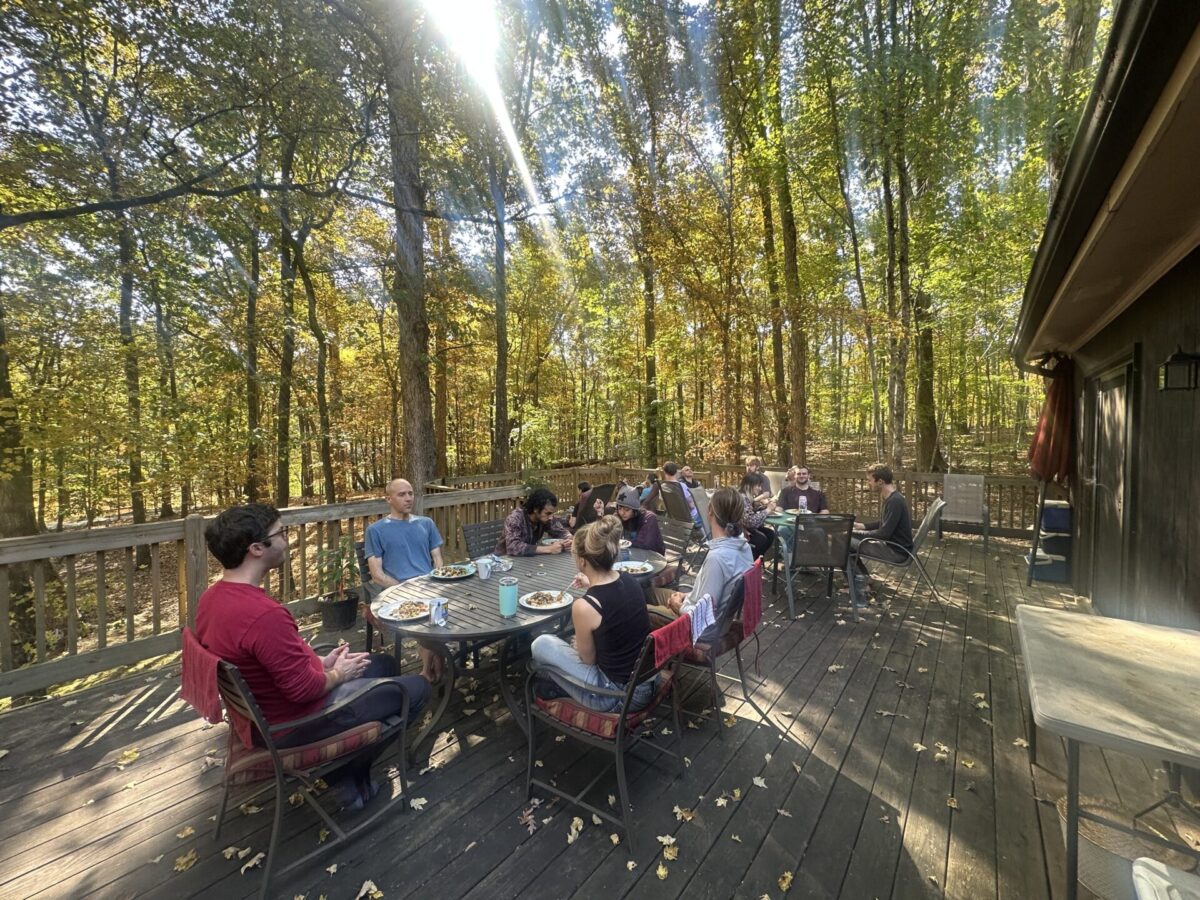
Even after sangha building for over twenty years, I still have so many questions. Many limitations, mistakes, and challenging situations continue to arise in stewarding my own community. Bringing curiosity and kind attention to these questions unleashes a gentle and sustained power. Acknowledging uncertainties and shortcomings naturally unlocks two doorways to a thriving community: humility and receptivity. The resident venerable at Deer Park Monastery, Thầy Phước Tịnh, an older Vietnamese Zen monk, was one of the most brilliant teachers I ever lived or studied with. He once shared during a public talk, on the verge of laughing, “When the monks start getting arrogant, you can just sit back and watch all the laypeople running away in the other direction!” In his typical light and humorous fashion, Thầy Phước Tịnh taught us the dangers of hubris and overconfidence while highlighting the virtues of humility.
In community life, how can we respond humbly and wisely when difficult situations arise and we don’t know how to help? So often in the past, whenever I worked with clients or faced community dilemmas that exceeded my experience and insights, I tried to hide the nervousness and shame I felt about my own confusion and limitations. As a cover, I pridefully projected confidence and pretended to know the answers. That almost never worked out very well, as you can imagine. Growing up as a young cis man in the US, I was implicitly taught that not knowing means being weak and inferior, which is unsafe, whereas knowing the answers is safe because it conveys strength and dominance. I wish I could share with you all the stories of disharmony and shame in community life that arose out of these unskillful habit energies—but that would take another book to write!
Over the years, bit by bit, I’ve tried to allow myself more space to not know, to not be wise, to feel vulnerable in the unknowing, even to be a fool. During difficult situations, I try to pause and breathe slowly with the feelings of discomfort, curiosity, and wonder of not knowing. I tell myself, It’s okay not to know, David. Let the sangha be your teacher. Let this difficulty be your teacher. What do they have to teach me in this moment? The Dhammapada reminds us, “A fool who knows his foolishness is wise at least to that extent.” I find there is really some truth in this statement—I can deal with feeling like a fool much better than feeling like a coward, afraid to just be myself. Instead of trying to be a wise teacher or therapist, I simply show up, all limitations included, and try my best to learn, love, and heal, along with everyone else. The key for me is always to listen deeply and trust that the wisdom needed is already right there, inherent within each of us and in each difficult situation that arises. Listening in this way, with humility, receptivity, and perseverance, magic naturally unfolds between us, and harmony emerges through the clouds, as clear and effortless as the sunrise.
When I first started writing Thriving Together nearly seven years ago, I felt a calling to transmit the depth and power of the joy I had experienced participating and living in Sangha communities over the years. What I didn’t anticipate was how much each of these stories and chapters would further strengthen my own house of community. Even though I had over twenty years of sangha-building experience before starting Greatwoods Zen, I still found myself feeling completely stuck at times, doubtful about my capacity, and unsure about what steps to take next. In the beginning especially, I felt very alone. I had just separated from my partner, best friend, and fellow sangha builder, and I was learning to facilitate and organize everything by myself.
For the first six months, we had low turnouts at our weekly Days of Mindfulness. I felt alone and needed support. So I started rereading these chapters on sangha building as if I were a brand new practitioner and community builder, as if someone else had written them for me. Each chapter boldly invited me into new, inspiring reflections, providing me a clear direction and practice to follow for that week alone. Small step after small step, our sangha grew. When I felt lonely and friendless, I was reminded of how to cultivate my own inner kalyana mitra, to strengthen my own virtues of true friendship, and I wholeheartedly planted seeds of spiritual companionship into this new community soil. Later, when our founding visions strayed into dangerously divergent directions, I knew what to do right away. Our small founding team dedicated a whole morning to just meditate and drink tea together by the pond, relishing the vibrant autumn leaves falling around us. Then we spent an hour rewriting out our visions to clarify our core purpose as an intimately committed team.
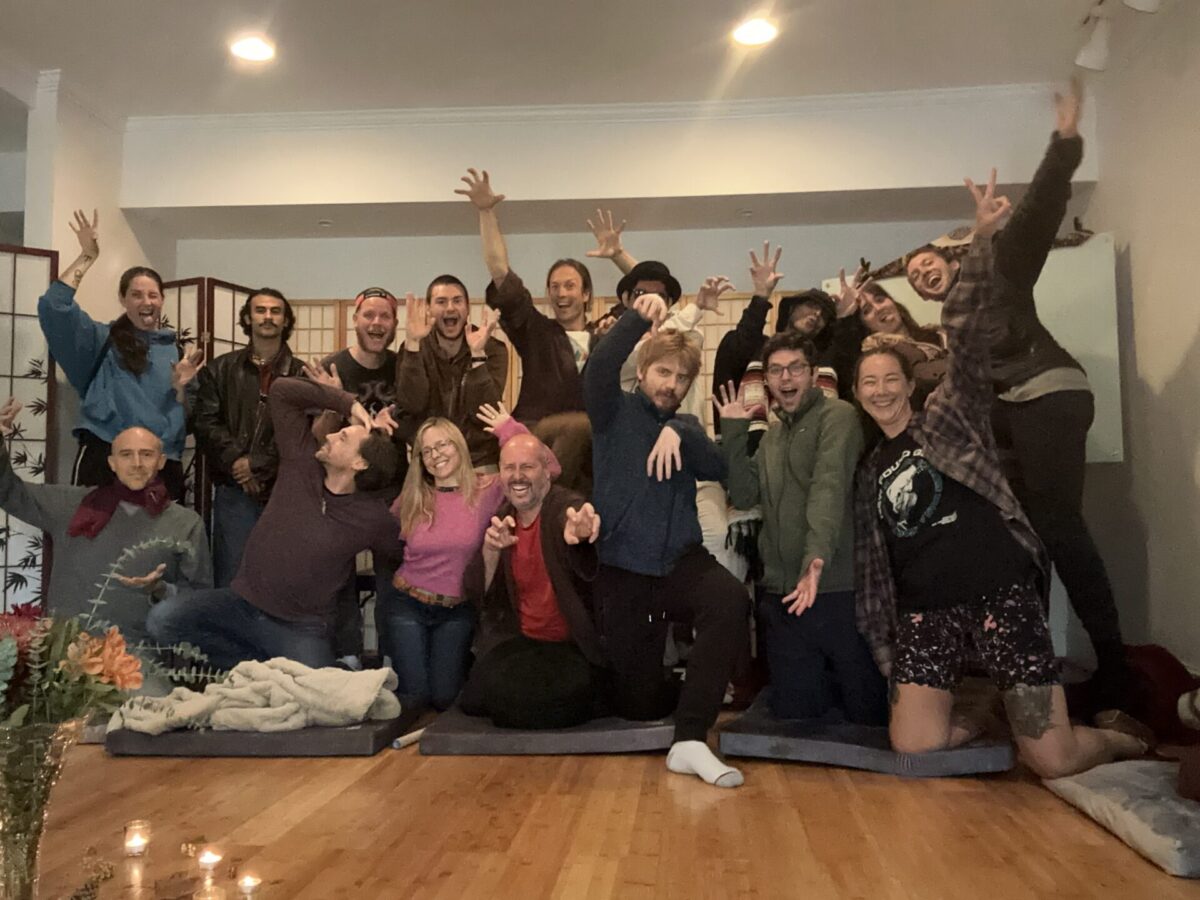
Living in a deeply racially segregated city, our leadership team, composed of mostly white men, dedicated itself to white awareness work right in the first year to bring more integrity to our mission. The chapters on white awareness and racial healing provided me with fierce encouragement, steady reminders, and faith to keep on walking that path, no matter the obstacles and resistance to this inner and collective work. We formed a racial affinity group for white men, leaning into each other’s raw vulnerability and shared humanity of our own internalized wounds as a cornerstone for racial and gender identity development. The garden of our sangha’s cultural humility and diversity continues to grow slowly, with stronger roots in more tender soil every month we gather.
When my sangha building partner, Nick Neild, and I started having more frequent disagreements and arguments in the midst of developing our mindfulness retreat center, the chapters on conflict and reconciliation encouraged us to re-initiate regular Beginning Anew sessions, something I had failed to prioritize. The hills we climb and peaks we ascend in our reconciliations, brotherhood, and gratitude for one another seem to reach no limits.
When I fell in love with someone who attended a nearby sister sangha, we convened our five-member Harmony and Safety Council and reviewed and renewed our healthy boundaries policy for those in leadership positions. We also sought counsel from elder practitioners and Dharma teachers in the region, bringing further safety, transparency, and ethical integrity to our young sangha, myself, and everyone involved.
The process of writing about sangha building has offered me a ceaseless fountain of inspirational suggestions, compassionate reminders, and concrete guidance on how to build my own beloved community from the inside out. No matter how long we have been practicing mindfulness, we all need supportive encouragement and reminders at times, especially during trying moments. While the wisdom of community exists in the depths of our heart, bones, and chromosomes, in every generation we are still young students of this ancient art, with so much to learn and grow. With the nine principles described in the book as a guiding light, I feel a bright torch illuminating my path, bringing clarity and fearlessness to the obstacles and darkness we will surely encounter ahead.
In true community, we don’t have to face the difficulties of our world alone. As my teacher, Thầy, frequently and enthusiastically encouraged, “Let us climb the hill of the next century, not as separate individuals, but as a sangha.” Because I have a strong, loving community both at my back and in my heart, I feel ready and excited for whatever challenges and happinesses lie ahead. What we cannot do alone, we can do as a sangha. What we can embrace and heal together is far greater than what we could ever achieve individually. This is true not only for practicing mindfulness successfully, but especially for our capacity for building greater friendship, racial healing, shared joy, meaningful service, communal safety, and more. There are no limits to what we can grow together, as everything becomes more powerful in community: love, learning, hope, and our aspirations for the peaceful, harmonious world in which all of us can be ourselves fully and realize our potential.
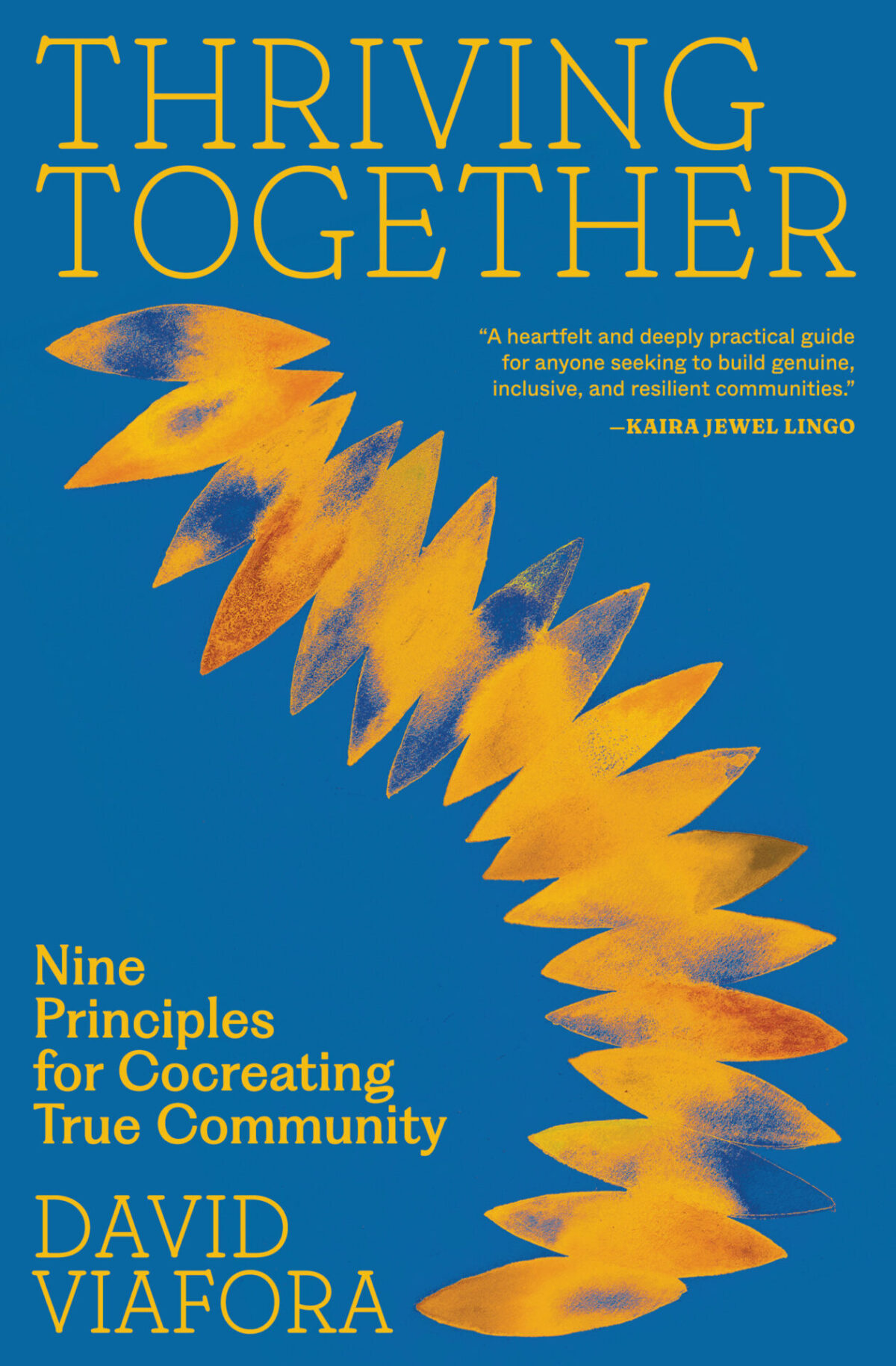
This article is based on a chapter from Thriving Together: Nine Principles for Cocreating True Community by David Viafora, published by Parallax Press in February 2025.